Welcome to Viking Orkney.
Around one thousand years ago, Orkney was not part of the Scottish kingdom, but instead was a vital part of the Scandinavian crown. Norse people settled in the islands from the late 8th century and even today the Viking legacy lives on in many local place names. Such was Orkney’s importance as the heart of a powerful Viking Earldom, the history of the earls of Orkney was told in its own chronicle – the Orkneyinga Saga.
Follow our trail to get a glimpse of a time of sagas.
Your trail
- 1 & 2. Brough of Birsay & St Magnus Church, Birsay
We can only imagine how the Pictish inhabitants of Orkney felt when the first Viking ships began to appear in the 8th century. By the end of the 9th century the Viking takeover was complete and Birsay had probably become the principal power centre of the new earldom.
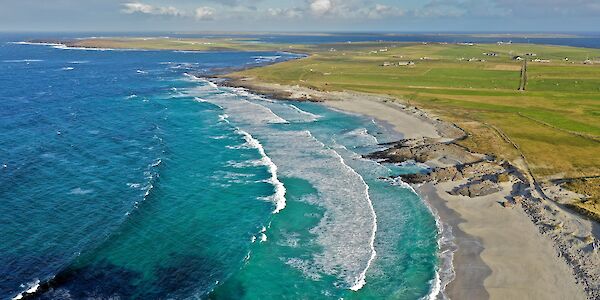
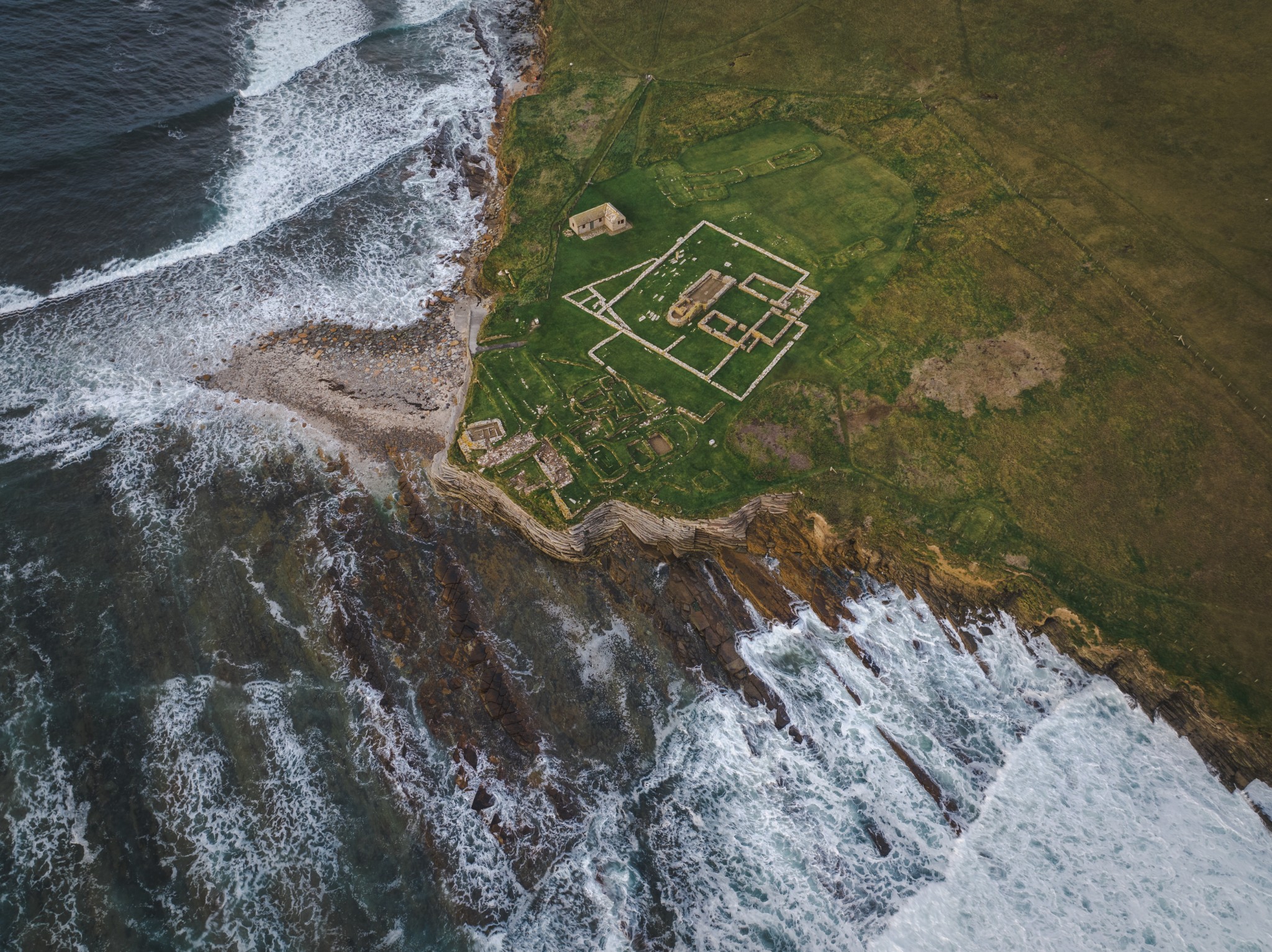
The most powerful of Orkney's rulers - Earl Thorfinn the Mighty (c1009-c1065) had his seat here, either on the Brough of Birsay or in what is now Palace village. The Brough is a fascinating place to visit. The island is only accessible at low tide, when you can walk along the wonderful beach and take the causeway across. Wander amongst the remains of Viking houses, barns, a church and monastery and even a sauna. Do make sure to double check tide times before visiting and only cross if it's safe to do so.
St Magnus Church in the village stands on the site of the earliest cathedral in Orkney. The current church was restored in the 1980s and the beautiful east window honours the life of St Magnus.
- 3. Maeshowe
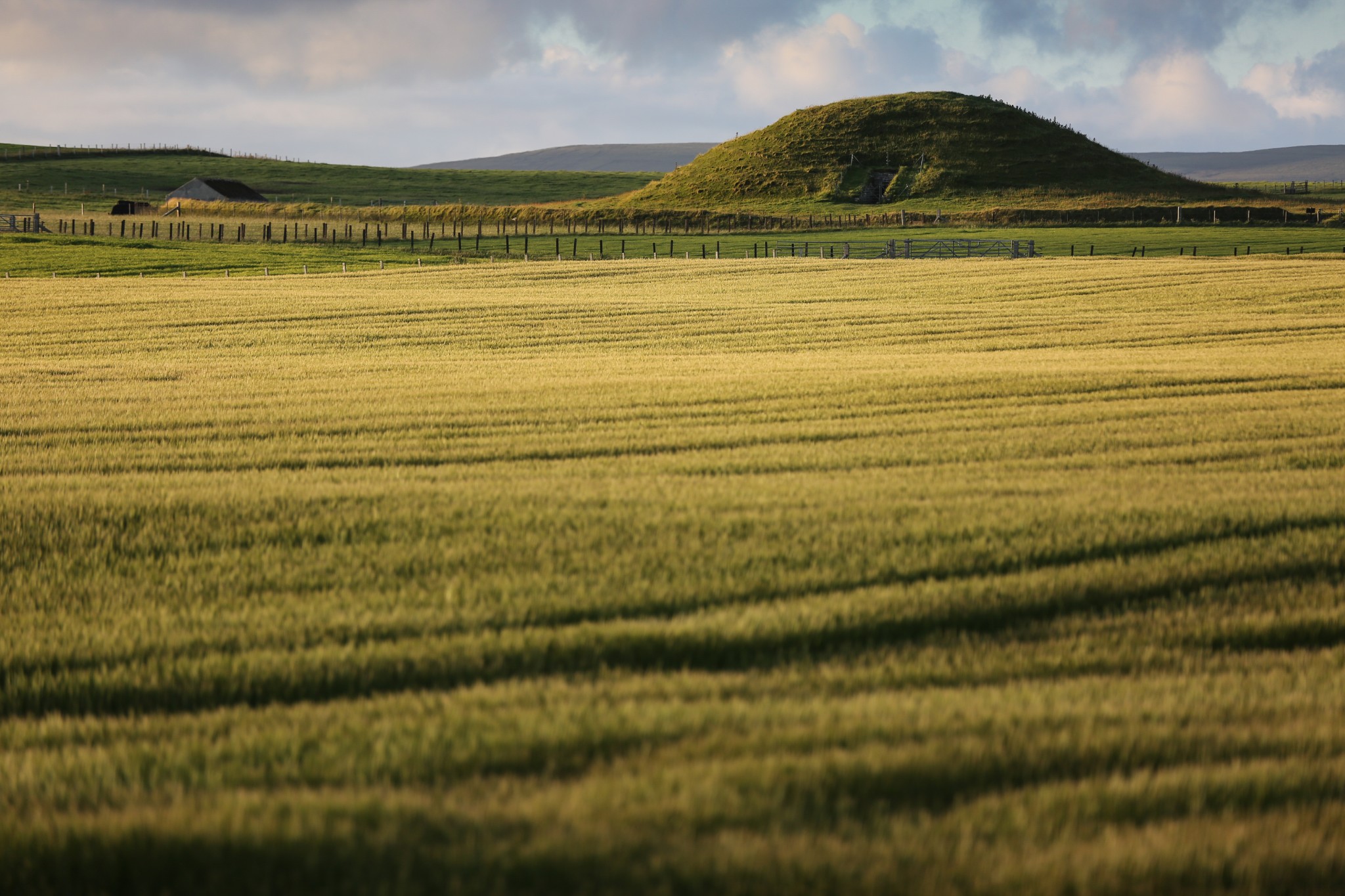
The chambered tomb of Maeshowe in Stenness, part of the Heart of Neolithic Orkney World Heritage Site, is one of the treasures of Stone Age Orkney. By the time of the Vikings it was already 4000-years-old but still a place of reverence.
In the mid-1100s groups of Viking crusaders took shelter in the tomb, whiling away the time by carving runes on the walls. The runes form one of the largest such collections in Europe and include ribald graffiti, the legend of a lost treasure, and incised drawings, the best known of which is the so-called Maeshowe Dragon.
Entry to Maeshowe is by guided tour only, which must be booked in advance. Space is limited, especially during the summer, so plan ahead via the Historic Environment Scotland website.
- 4. Earl's Bu & Round Kirk, Orphir
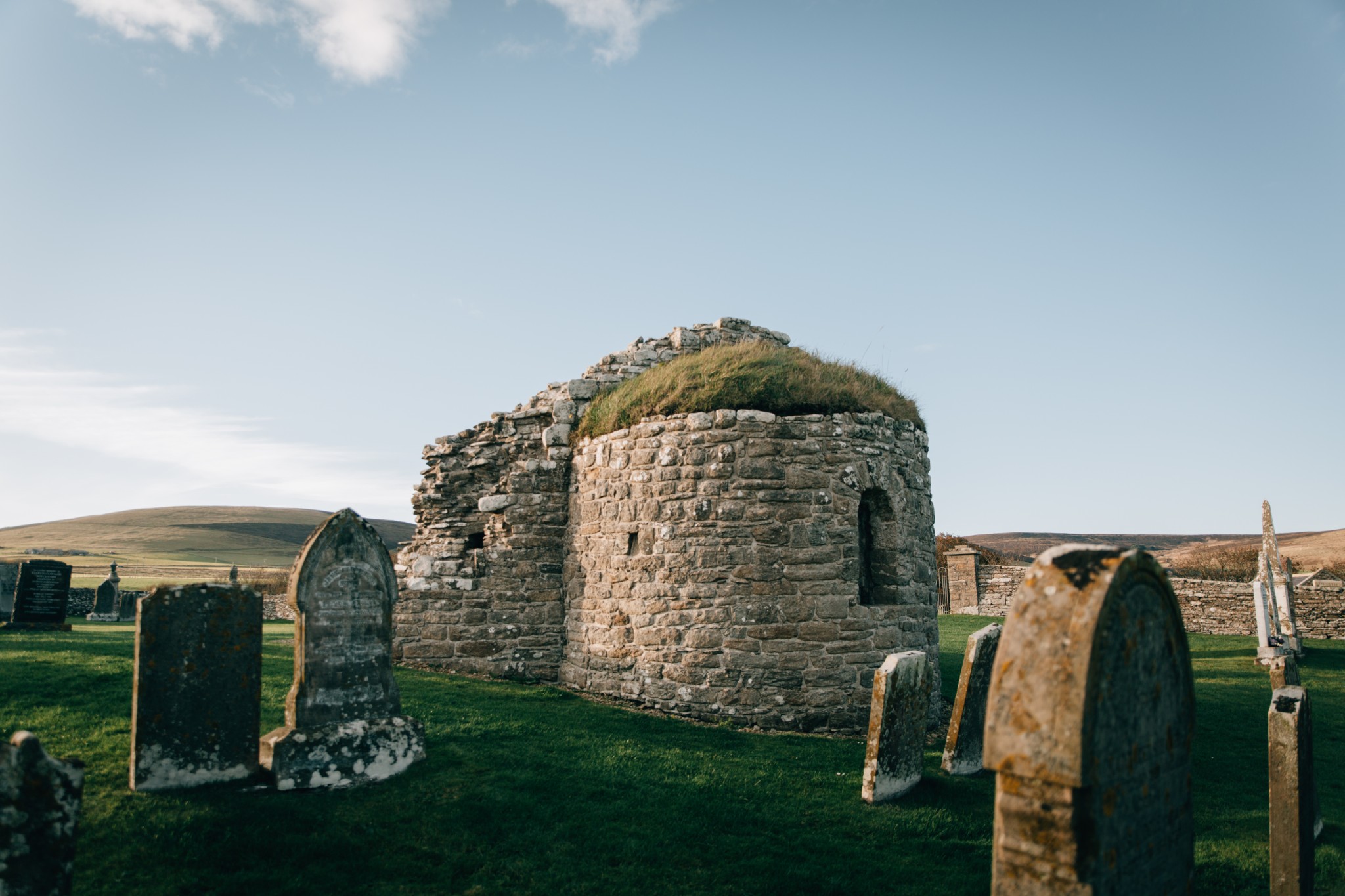
Overlooking Scapa Flow’s sheltered waters lie the fragmentary remains of an Earl’s Bu – a hall and farm - a small part of a much larger high-status Viking settlement still buried underground. There is an excellent artist’s impression of the site in the Orkney Museum in Kirkwall. The Bu features in the Orkneyinga Saga as the location of the murder of Sweyn Breastrope by the notorious Sweyn Asliefsson amidst accusations of unfair drinking.
The adjacent ruinous Round Kirk is thought to have been modelled on the rotunda of the Church of the Holy Sepulchre in Jerusalem, another indication of just how well-travelled the Vikings were.
The nearby Orkneyinga Saga Centre features information on the saga along with a short film focusing on Viking Orkney.
- 5 & 6. St Magnus Cathedral & the Orkney Museum, Kirkwall
Kirkjuvagr, church bay, as the Vikings knew it, was probably a minor settlement until Earl Rognvald Brusason, who briefly shared the Earldom with Thorfinn the Mighty, took up residence here in the early 11th century and built St Olaf’s Church on land extending behind what is now Shore Street. It was here that the body of one of Orkney’s two saints, Saint Magnus (1080-1115) was brought from its first resting place in Birsay.
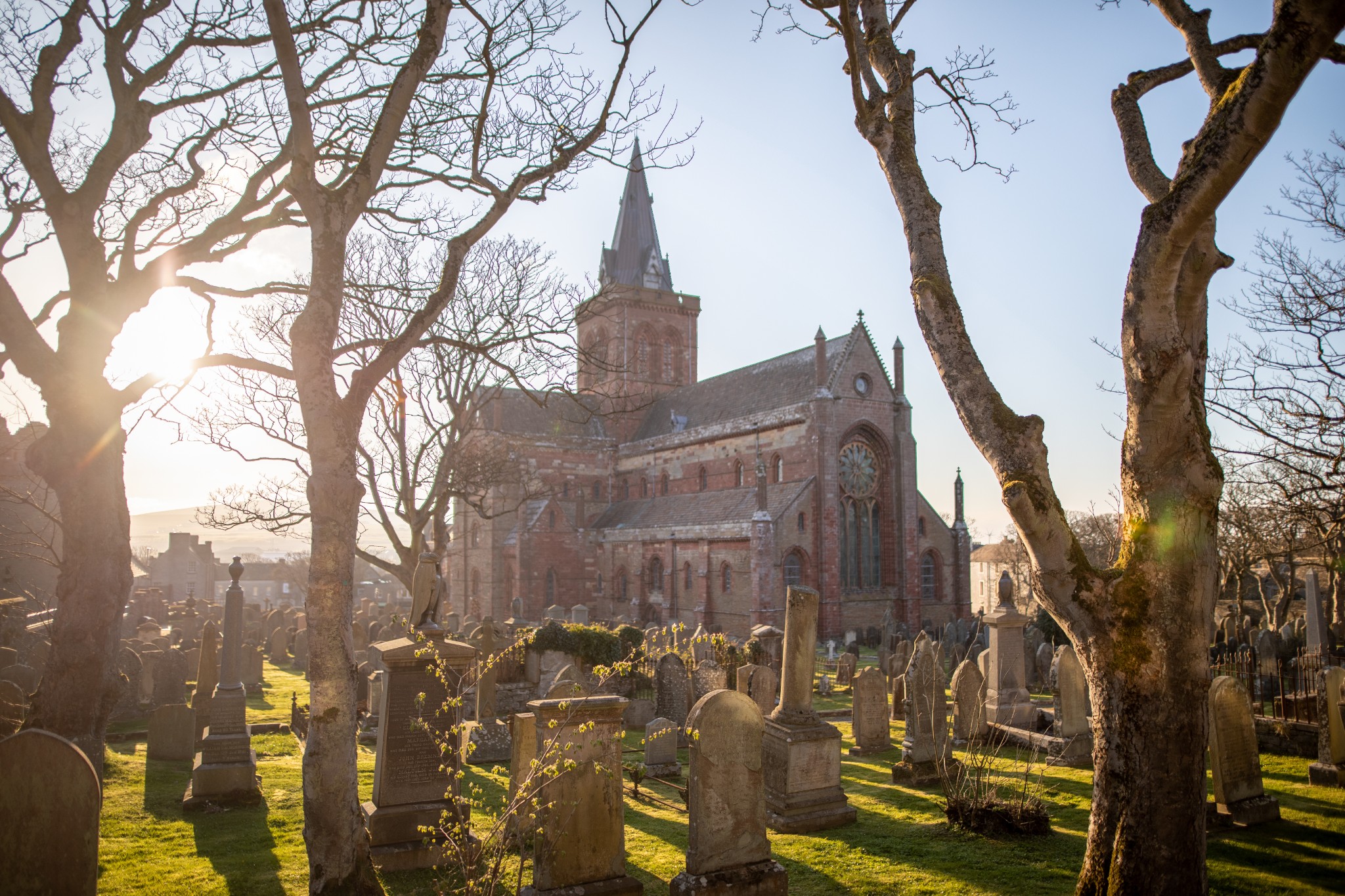
The Church was rebuilt several times over the centuries but all that remains today is a 16th century gateway in St Olaf’s Wynd. Kirkwall grew in importance and when St Magnus’s nephew Rognvald Kali Kolsson (c1103-1158) became Earl in 1136 he decided to build a cathedral to commemorate his uncle. Construction began the following year but Earl Rognvald, a crusader and poet, died in 1158 and never saw the cathedral completed. He was canonised in 1192. The bones of Orkney’s two saints are interred in matching pillars in the magnificent sandstone St Magnus Cathedral.
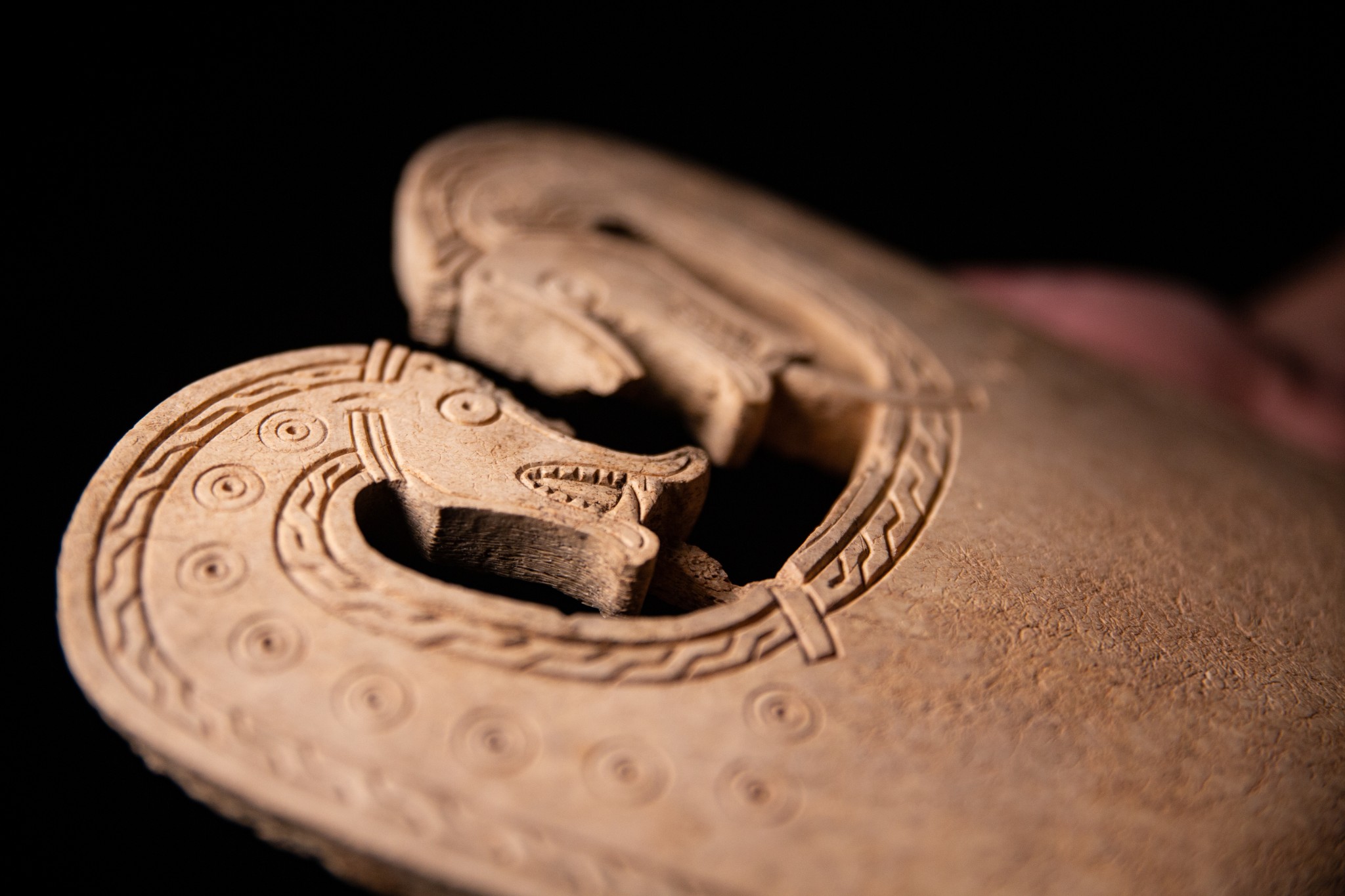
Nearby, the Orkney Museum has displays telling the story of Orkney and the development of Kirkwall from its humble beginnings. The magnficent whalebone plaque from the Scar Viking boat burial can been seen at the museum alongside other finds from the excavation, carried out in Sanday in the early 1990s. The museum is also home to the wooden reliquary in which the bones of St Magnus were placed in the cathedral which bears his name.
- 7. Brough of Deerness
Deerness on the eastern coast of the Mainland was another important Viking estate, probably home to Thorkel Fostri, Earl Thorfinn’s foster-father.
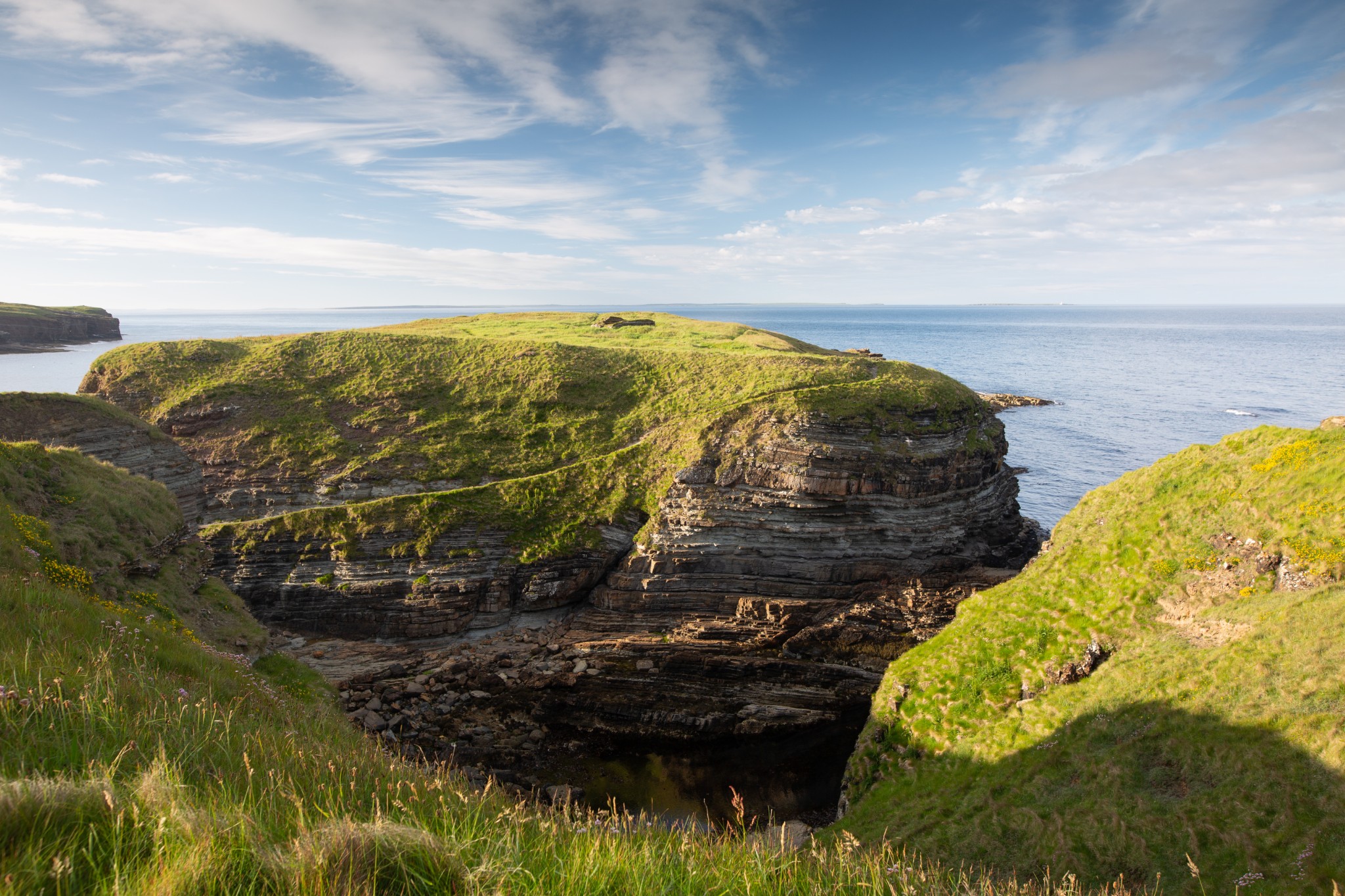
Park in the Mull Head car park and you can walk along scenic windswept cliffs to the Brough of Deerness, a peninsula accessible by a narrow path and steps hugging the side of the cliff. Be careful going up and down, especially in wet weather. On the top of the Brough there are the outlines of up to 30 Viking buildings, a defensive wall, a well and a chapel which was first used in Pictish times.
Displays in the Mull Head Nature Reserve visitor centre help make sense of the overgrown remains.
Other places to visit if you have more time
- If you are a keen walker, the St Magnus Way is a 58-mile pilgrimage route across Egilsay and Mainland Orkney, inspired by the life and death of St Magnus.
The Westside Church in Westray features the remains of a Norse place of worship, including the original doorway and an arched window. According to the Orkneyinga Saga, the church was built in the mid-1100s by Haflidi Thorkelsson, whose farm was next door. Westray was home to a number of Viking strongholds and has a rich Norse heritage.
St Magnus was murdered in Egilsay more than 900 years ago and the St Magnus Kirk stands as testimony to the man and the wealth and power of Orkney's Norse rulers. The 12th century kirk is arguably the finest surviving Norse church in Scotland, behind only St Magnus Cathedral. The island is also home to a small cenotaph nearby that marks the actual spot of Magnus' execution.
Cubbie Roo's Castle in Wyre was the old stronghold of Norse chieftain, Kolbein Hruga, and was built around 1145. It's one of the oldest examples of its type in Scotland and could have been three storeys high.
Watch Orkney's Norse history uncovered in front of you at Skaill Farm in Rousay. Excavations of this multi-period settlement site have been carried out for a number of years. Skaill was in use from the Norse period until the 19th century and a large Norse hall was discovered here in 2019.
Read our blog about exploring Orkney through the pages of the Orkneyinga Saga, with insights into the folklore and legends of Viking Orkney.