Spring brings new life and light to Orkney.
The days start to get longer again, there are lambs in the fields, and our seabird cities begin to get busier once more.
It’s also a time of new beginnings, and that’s certainly the case for some of our fantastic heritage attractions which reawaken after a winter hibernation. This spring you can once again explore wartime stories, Neolithic tombs, Orcadian farming history, and much more as doors begin to open across the islands.
Here are ten of our favourite locations that will be welcoming folk in over the coming weeks and months.
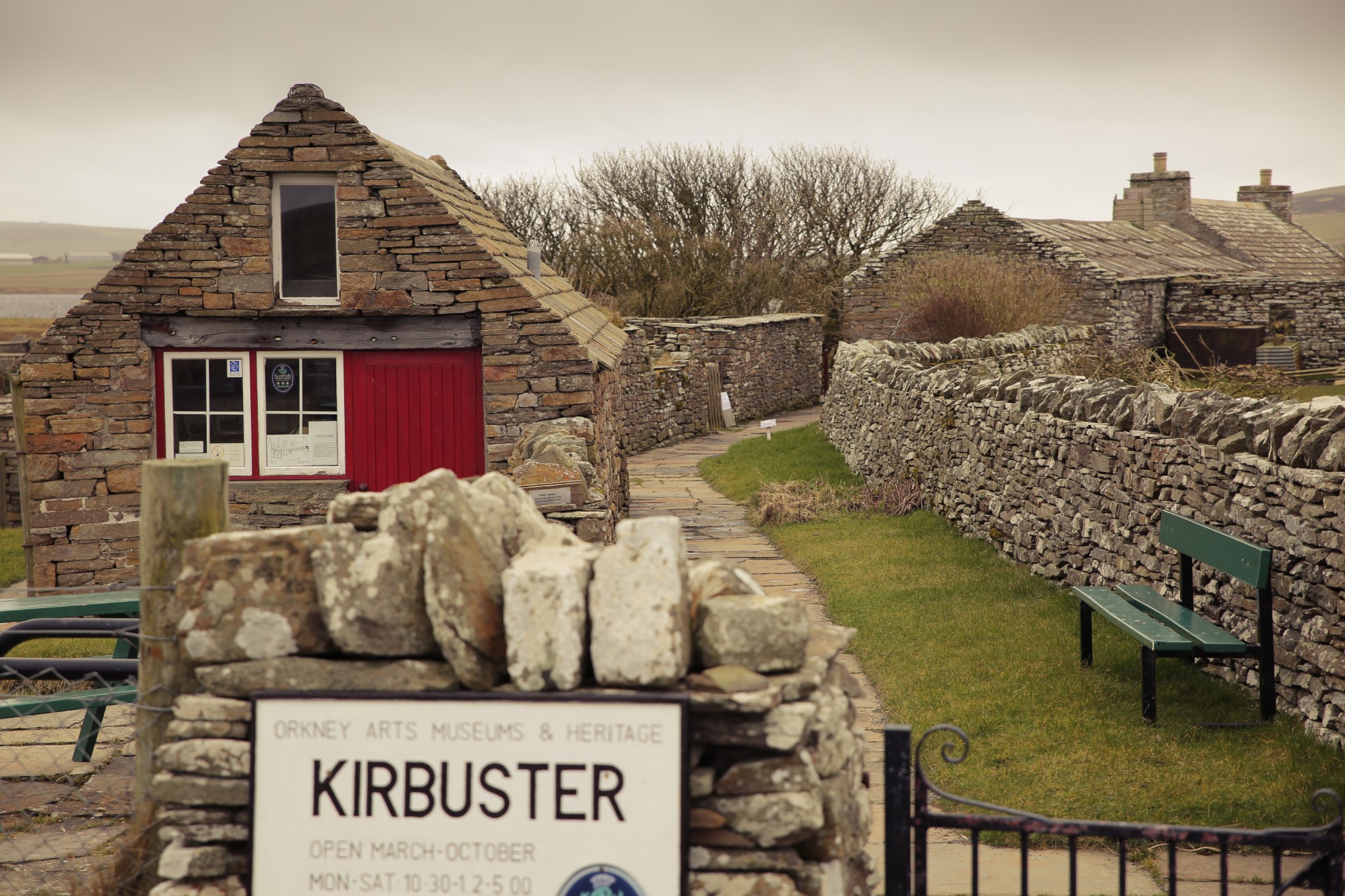
Kirbuster Farm Museum
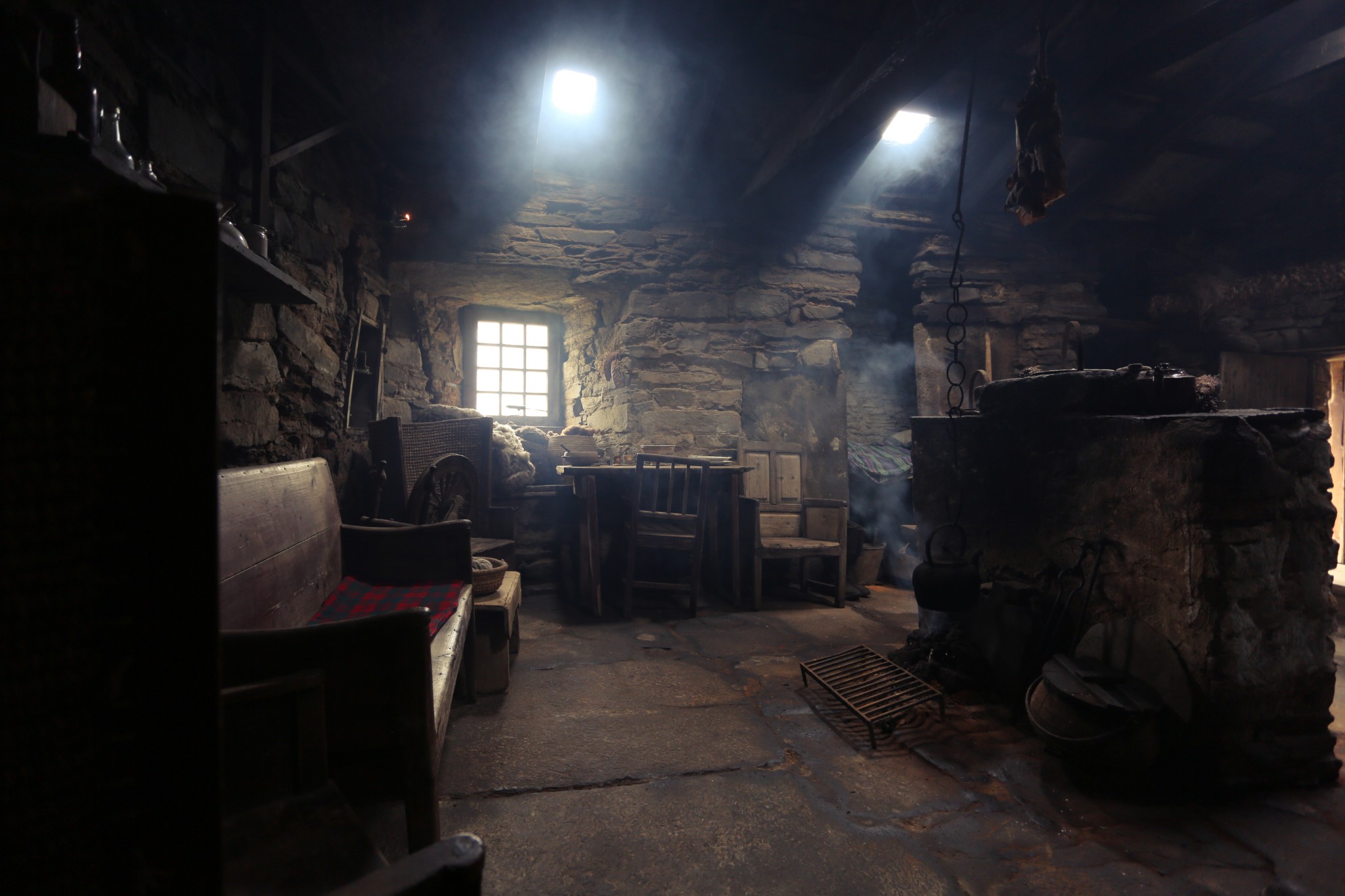
This special site offers a fascinating glimpse into life on a traditional island farm during the 19th and early 20th centuries. Kirbuster was occupied until the 1960s before being reopened as the museum in 1986. It's the last un-restored example of a traditional 'firehoose' in Northern Europe and the rooms are full of old household implements and furniture.
It’s open from early March right through until the end of October.
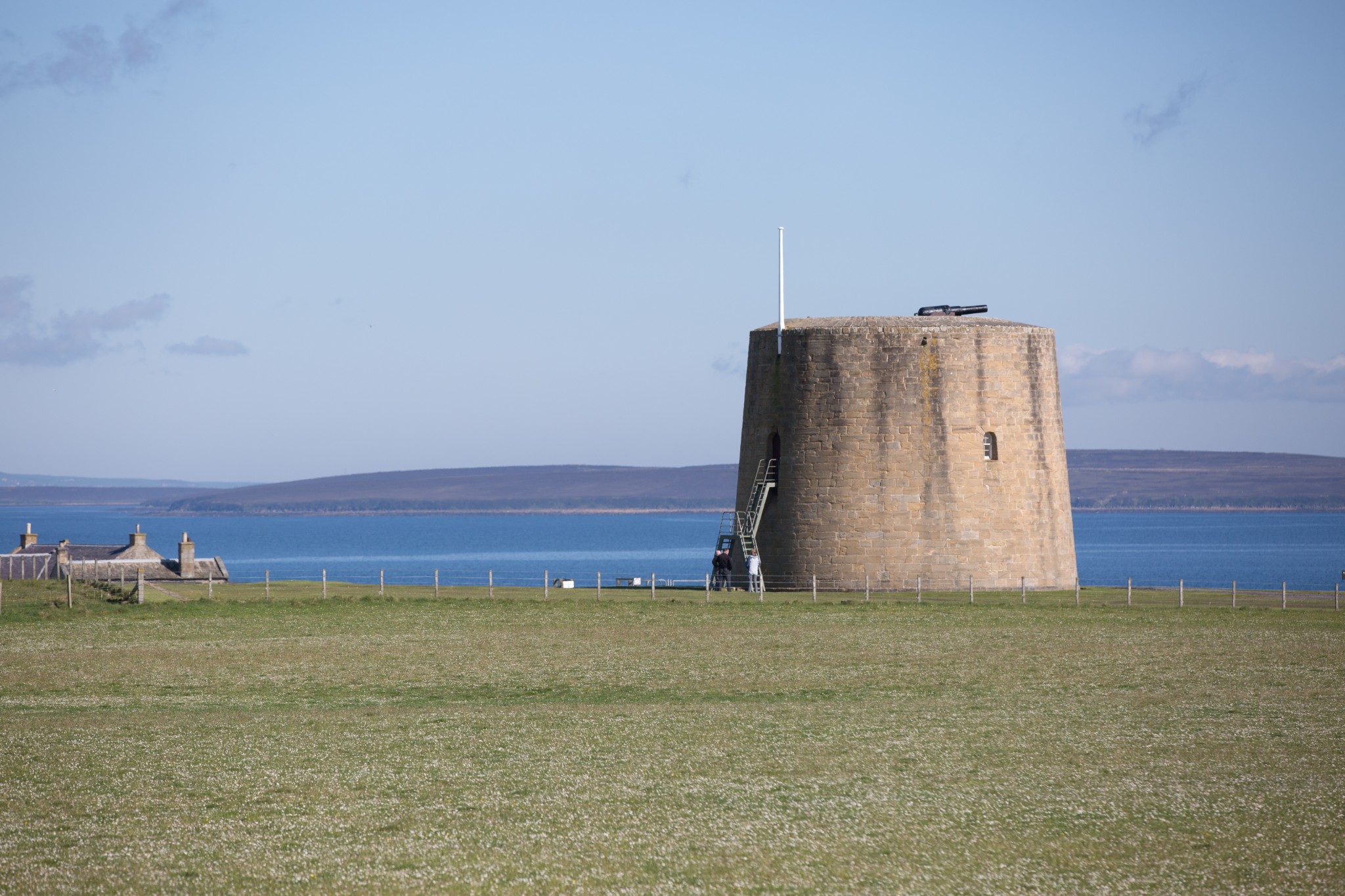
Hackness Martello Tower and Battery
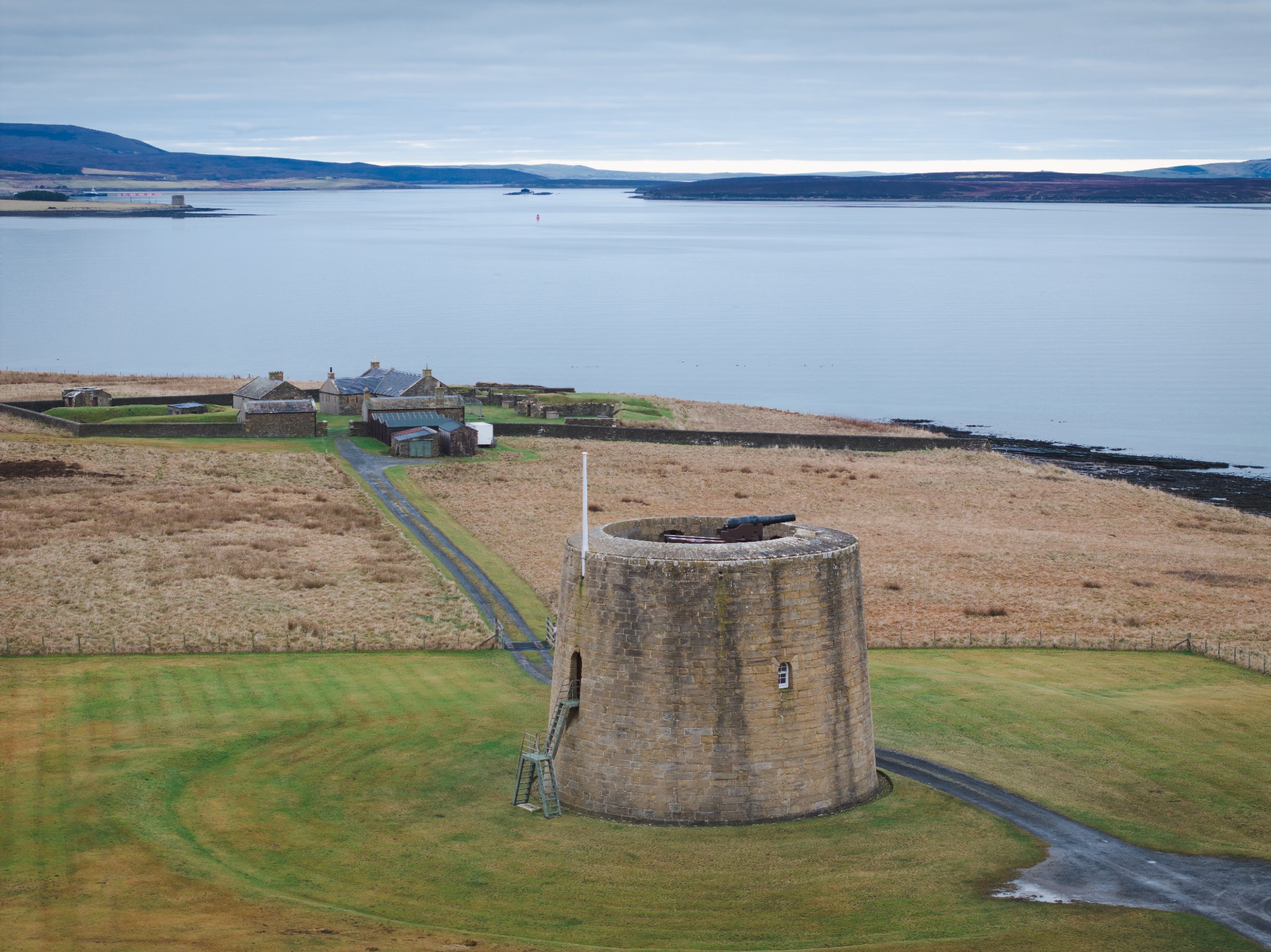
Built to protect British convoys during the Napoleonic Wars in the early 1810s, Hackness didn’t see any enemy action but still provides a unique insight into military life more than 200 years ago. The Martello Tower is one of only three surviving in Scotland with visitors able to climb to the top for beautiful views out over Scapa Flow.
The site is managed by Historic Environment Scotland and is scheduled to reopen for the season in April.
Orkney Fossil & Heritage Centre
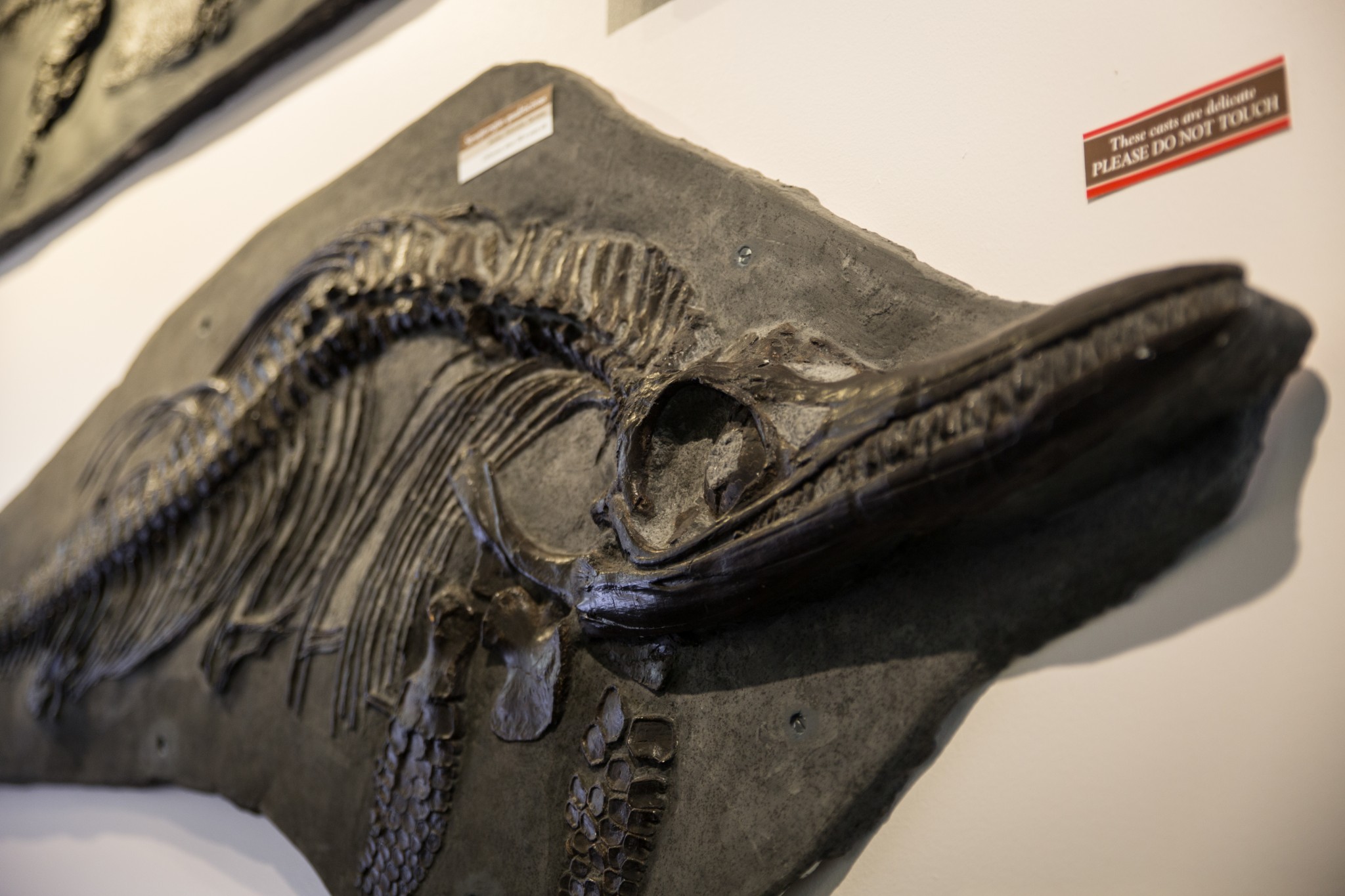
The Centre is found across the Churchill Barriers in Burray and is home to an incredible collection of fossils from Orkney, helping tell the tale of the ancient history of the islands. There are also excellent local heritage displays, including exhibitions about Scapa Flow's wartime history and the construction of the barriers themselves.
The Centre is scheduled to open at Easter, with the onsite Relic Café open all-year-round.
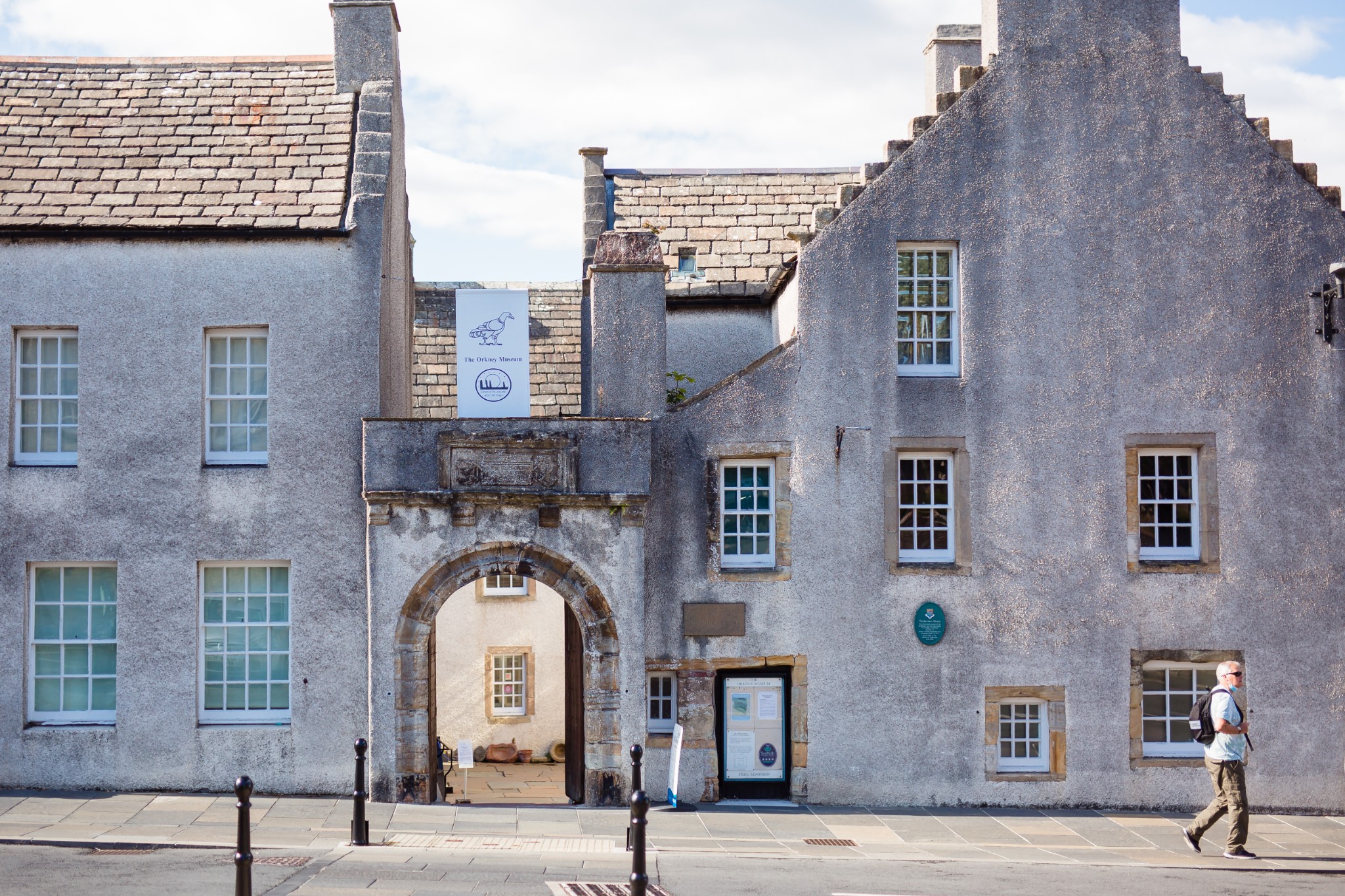
The Orkney Museum
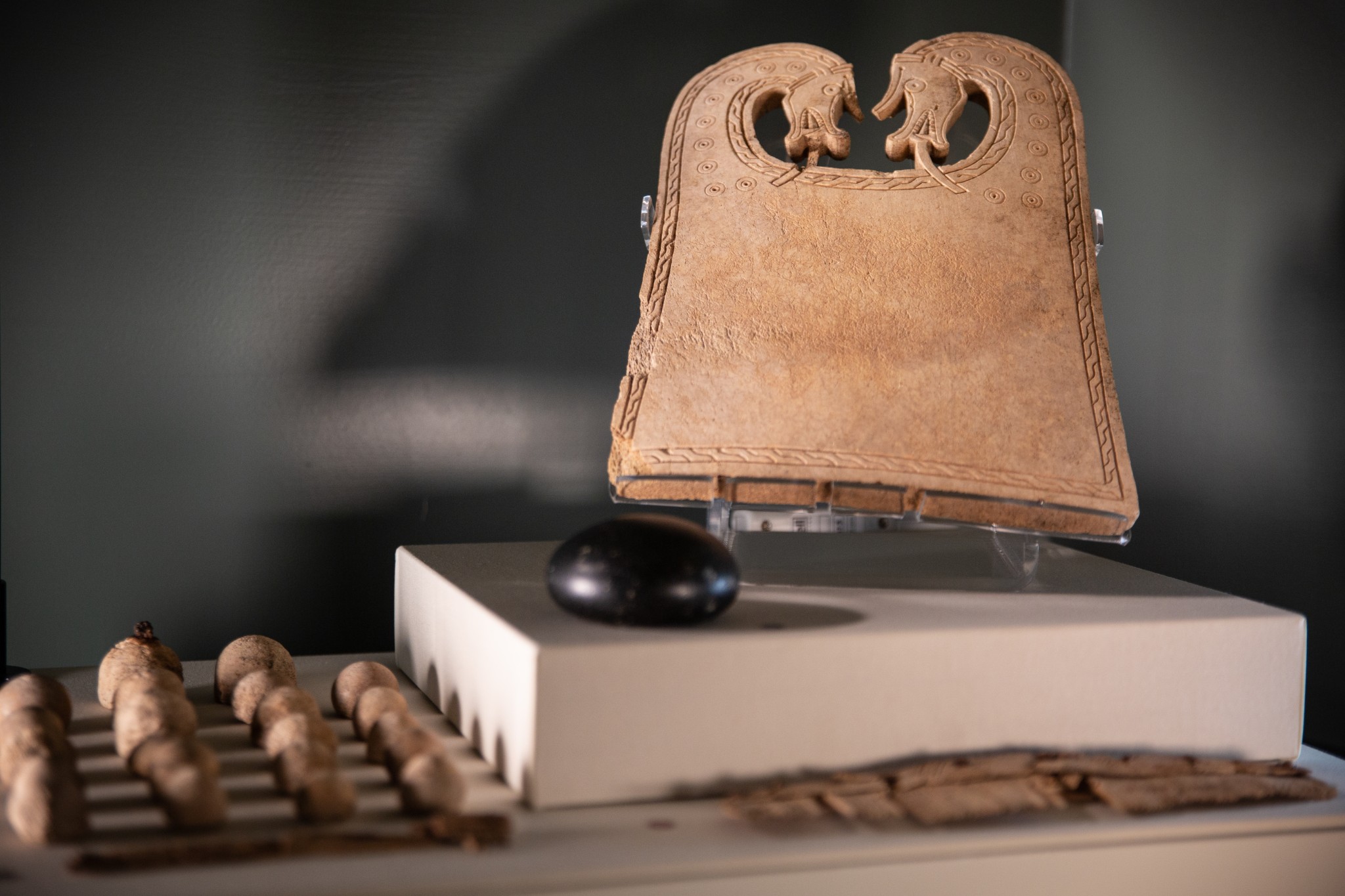
The Orkney Museum sits in the centre of Kirkwall and tells the story of Orkney, from the Stone Age, to the Picts and Vikings, and right through to the present day. It’s an excellent introduction to the history of the islands, with a newly-refurbished Viking gallery taking centre stage.
The Museum reopens in March.

Barony Mill
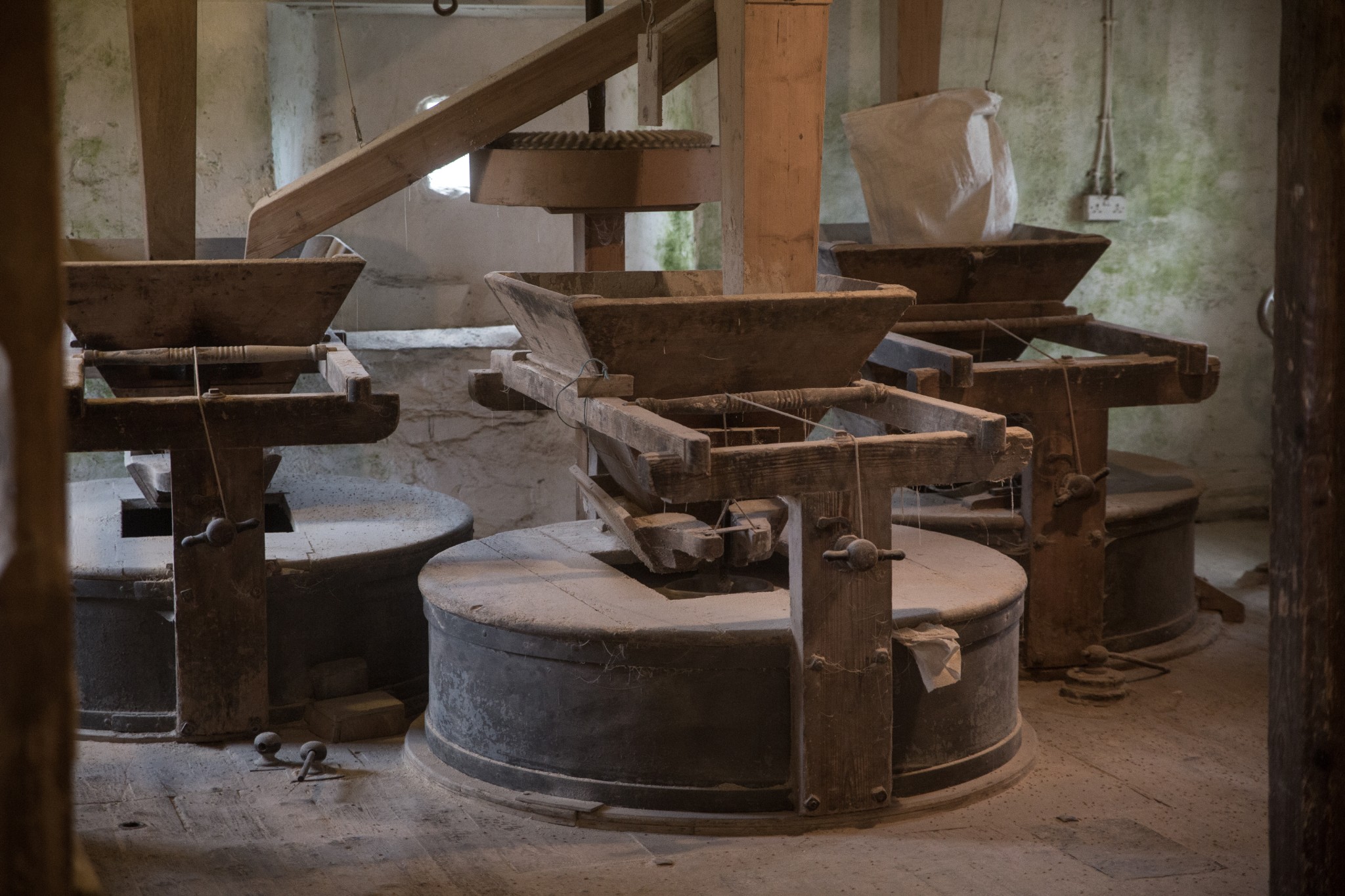
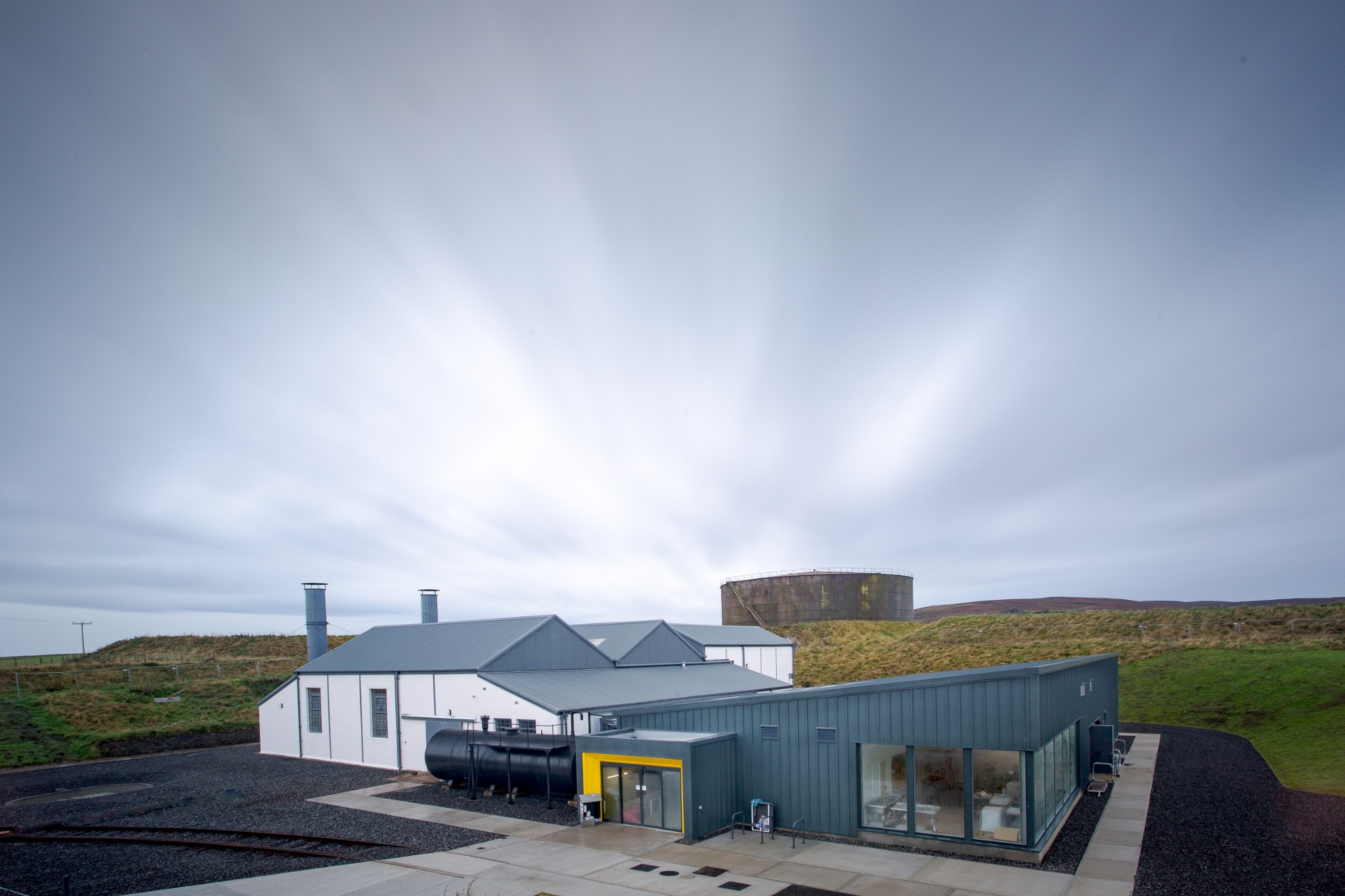
Step back in time with a trip to the Barony Mill, the last working water mill in Orkney, and the only place on Earth milling bere, an ancient barley cultivated in Orkney for over 5,000 years. Tours showcase the entire process, from setting the huge water wheel in motion, to watching as the machinery moves through the age-old milling process. You’ll even get a few free tasters of locally-baked beremeal products.
The Mill reopens to visitors in May.
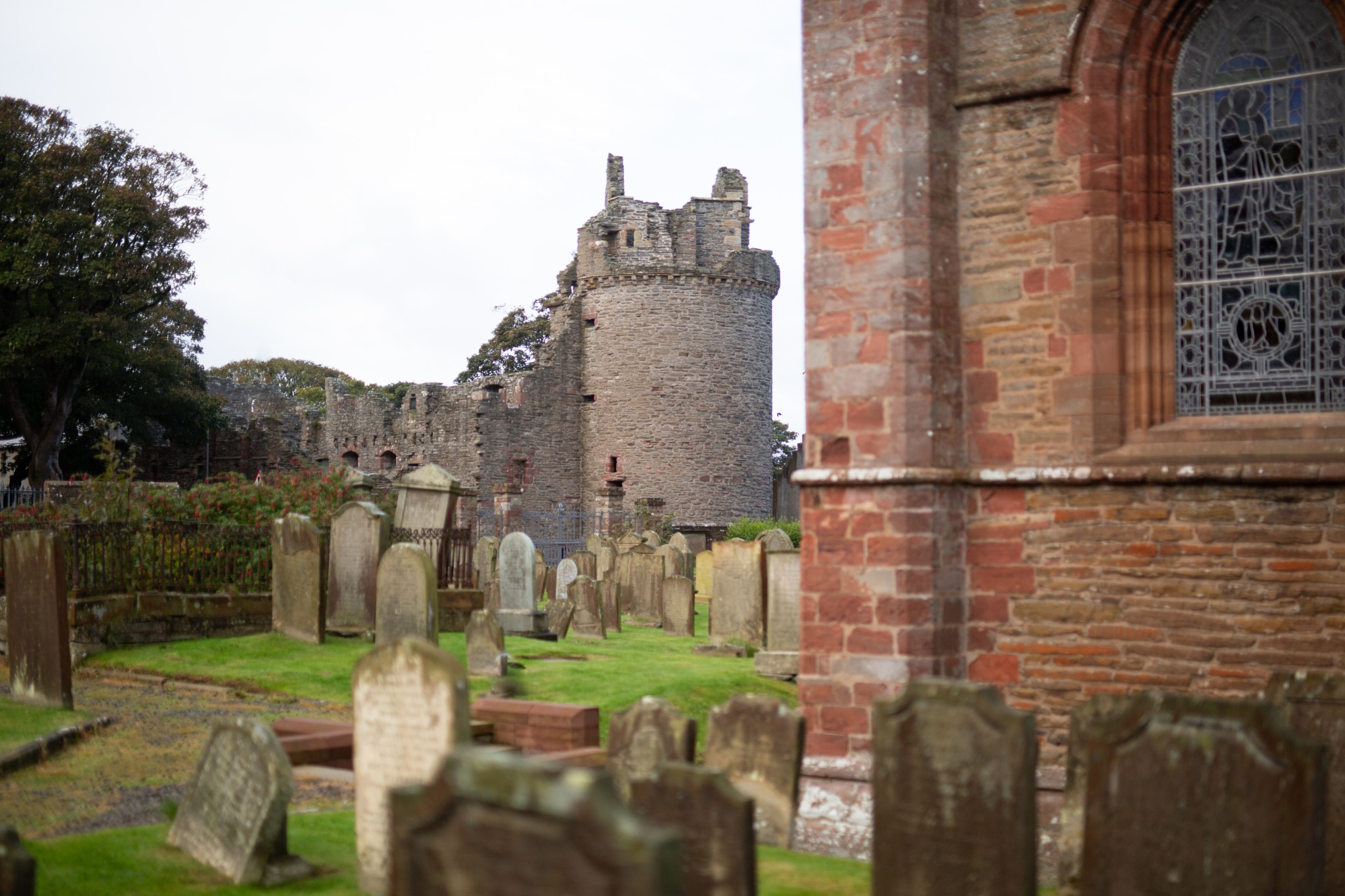
The Bishop’s & Earl’s Palaces
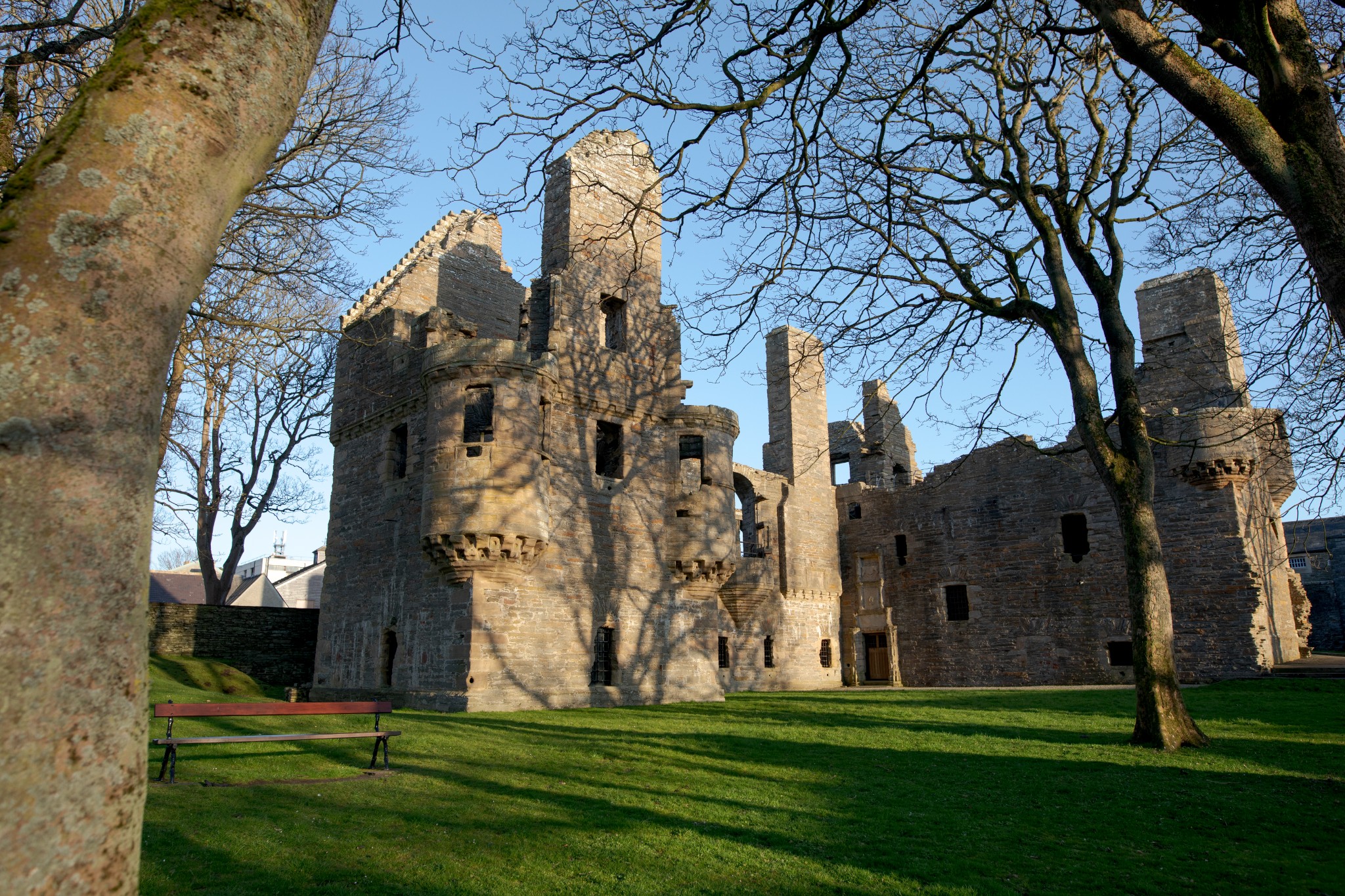
Found in Kirkwall’s historic heart, visitors can step inside these spectacular ruins to get a sense of the town’s history. The Bishop’s Palace was built around the same time as St Magnus Cathedral in the early 1100s and has links to Orkney’s Viking heritage – King Hakon died here after battling with the Scots at Largs in 1263. The neighbouring Earl’s Palace was constructed around 1606 by Patrick, Earl of Orkney - one of Orkney's most notorious rulers.
The buildings open in April.
Tomb of the Eagles
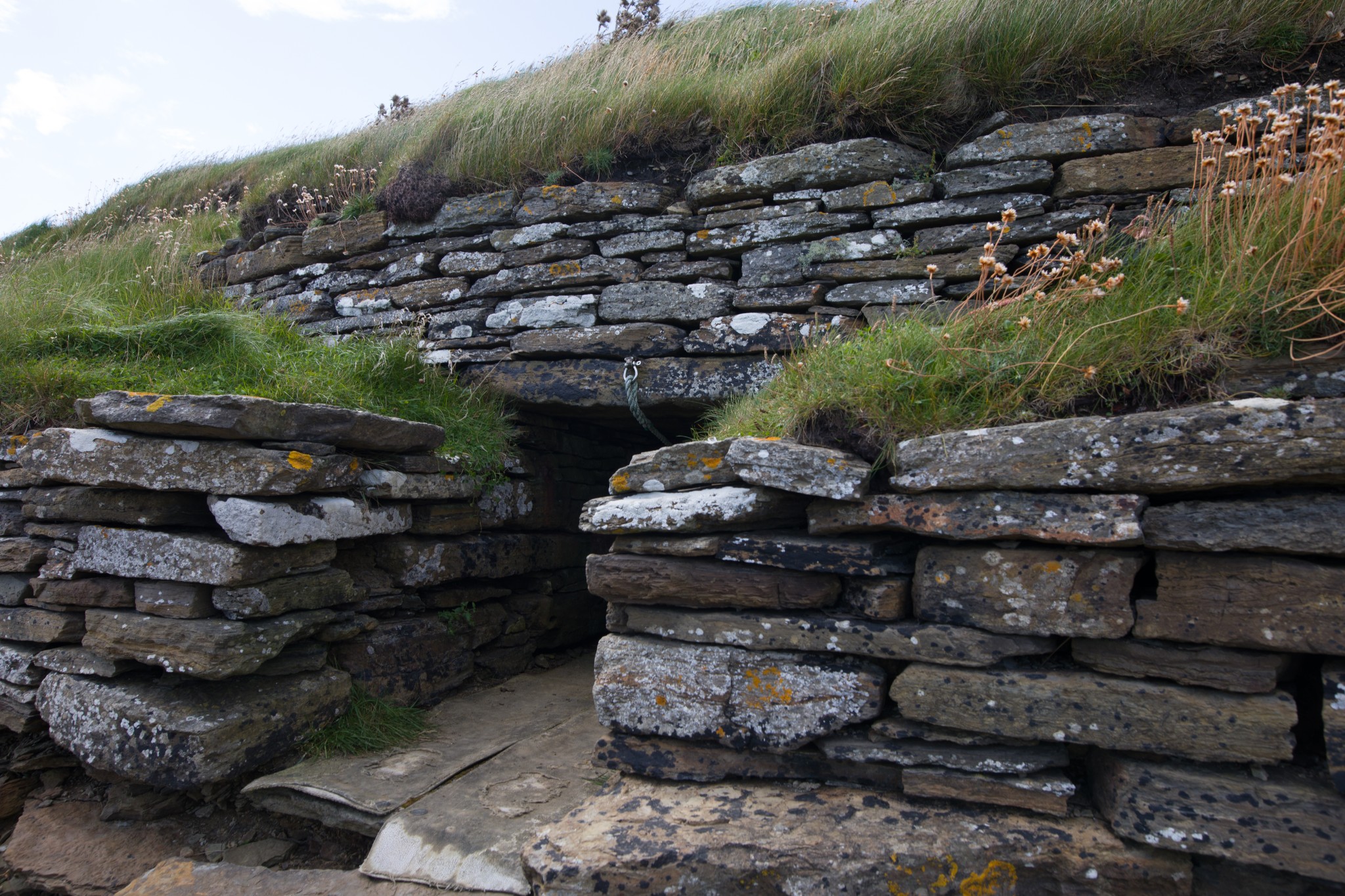
2026 will see this fabulous clifftop site open for its first full season since 2019. Tomb of the Eagles was taken over by the local community late last year, giving visitors the chance to crawl – or slide on the famous trolley – into Orkney’s Neolithic past once more. Discovered by local farmer Ronnie Simison in 1958, the Stone Age tomb contained an amazing collection of bones and artefacts, placed there some 5,000 years ago.
The site will open for the season again in April.
Scapa Flow Museum
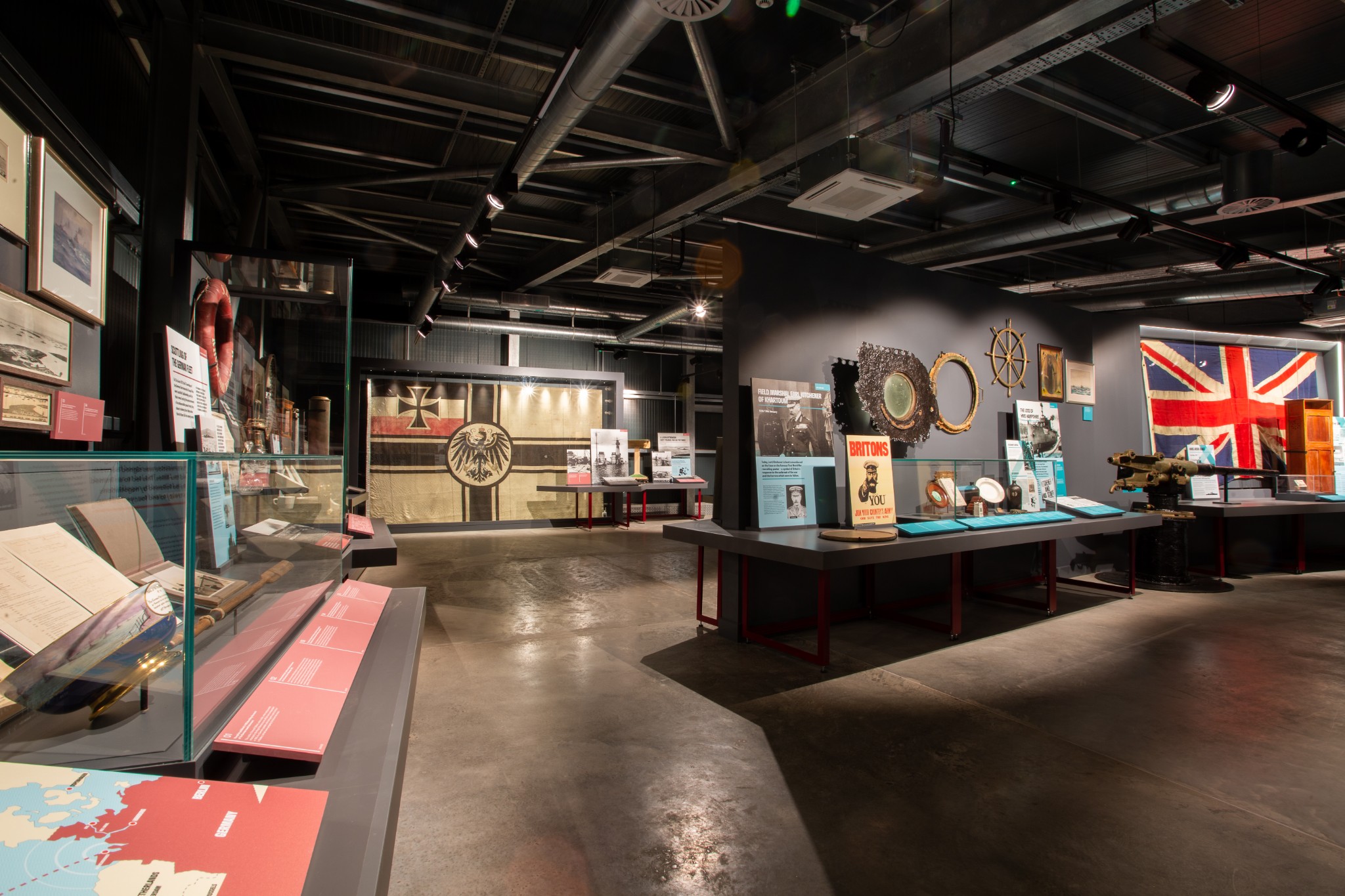
This modern museum in Hoy tells the story of Scapa Flow and Orkney's role during two World Wars. Refurbished in 2022, it’s now home to more than 250 fascinating artefacts showcasing life in Orkney during both World War One and World War Two, the inter-war period, and the post-war salvage industry.
The museum is open between March and December.
Orkney Wireless Museum
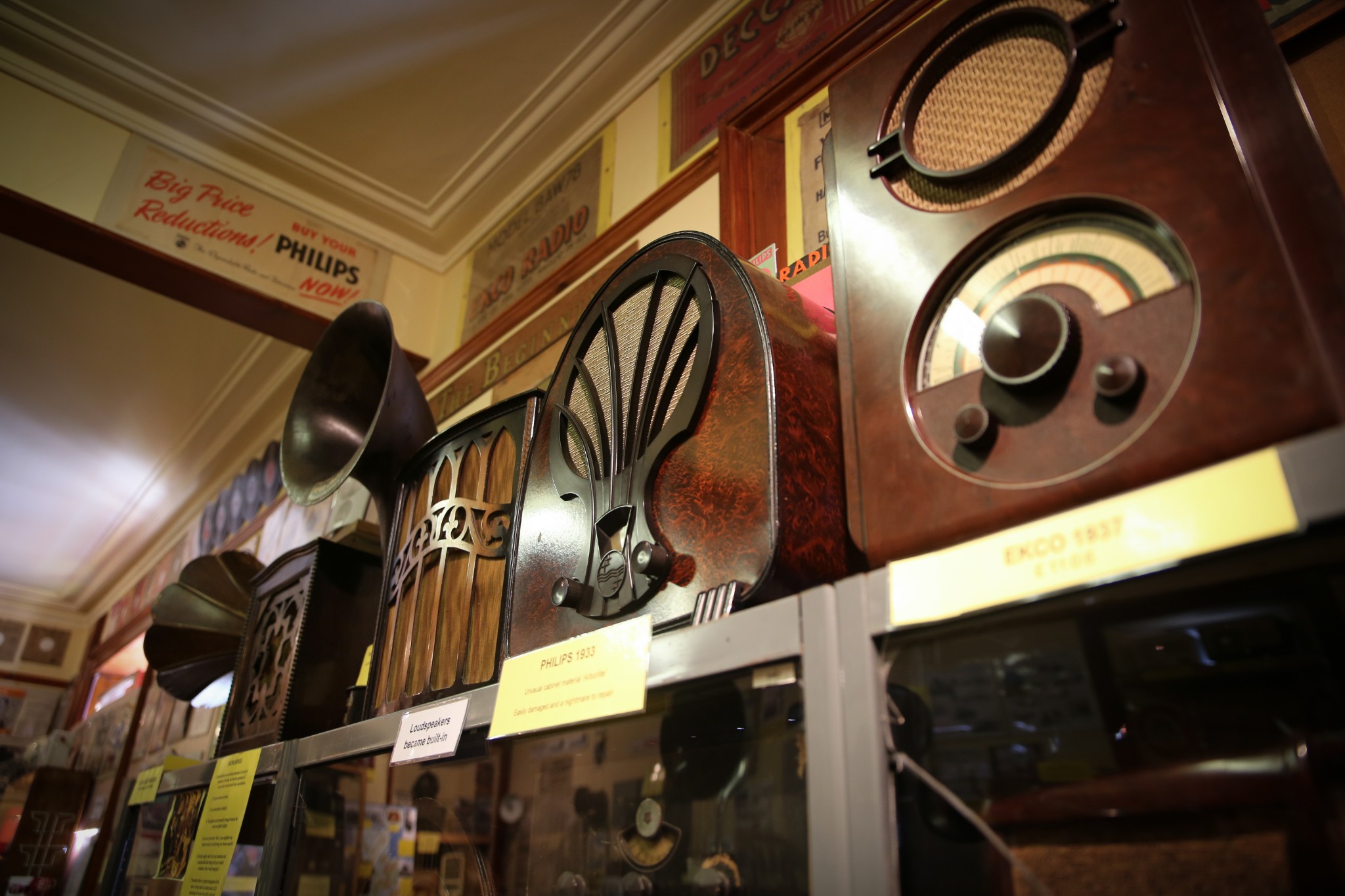
This is a real treasure trove, found next to Kirkwall harbour. The museum is packed with radios from the 1930s to the present day, along with artefacts from wartime Orkney and even an early computer game version of tennis that young folk can try their hand at. It’s a special place manned by enthusiastic volunteers and well worth a visit. The doors to the museum open again in April.
Longhope Lifeboat Museum
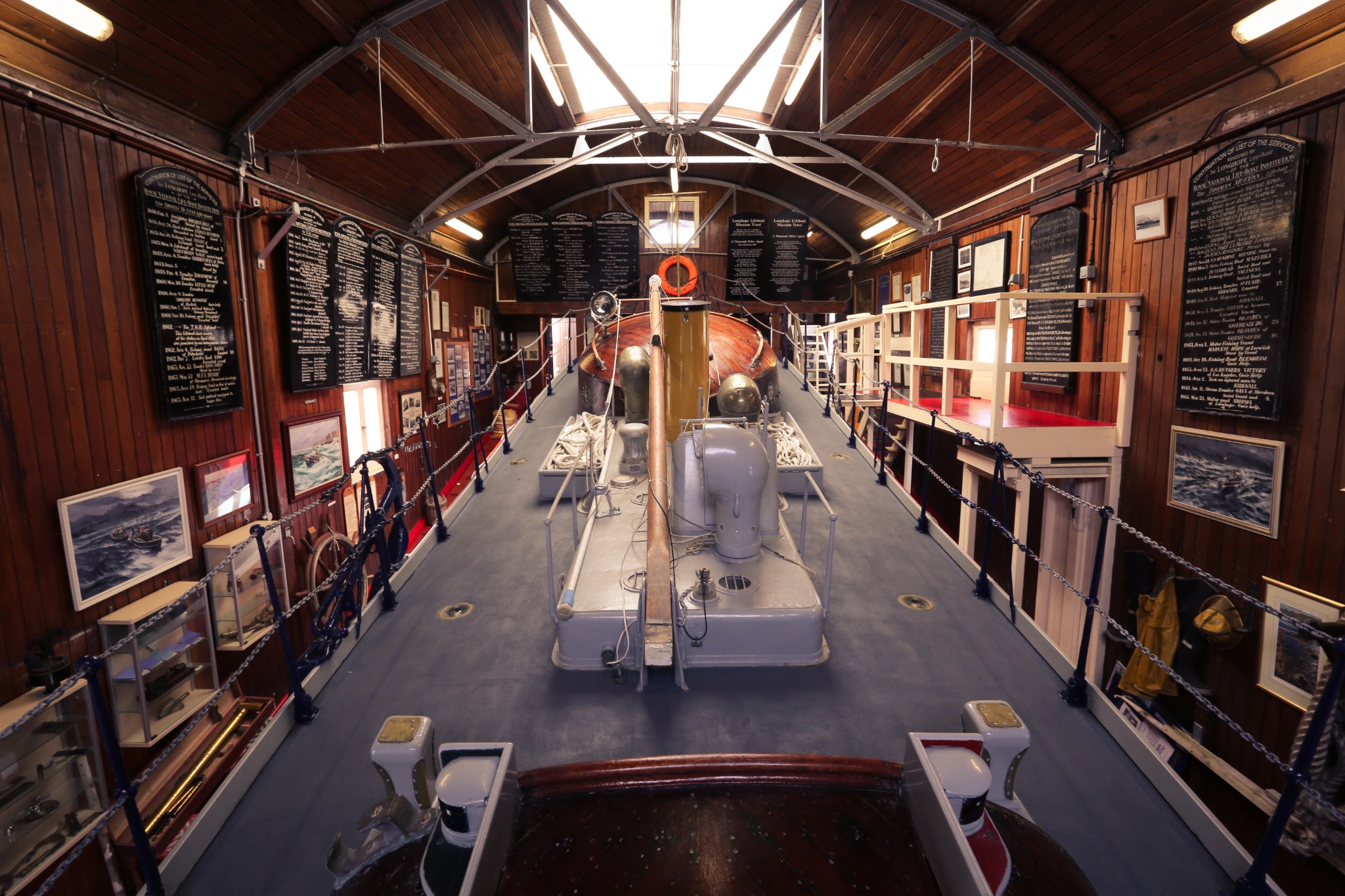
This poignant museum highlights the bravery and sacrifice of the volunteer crews of the Longhope Lifeboat and their community. The village of Longhope became known throughout the world in the late 1960s when the local lifeboat was lost in wild seas during a rescue operation in the Pentland Firth, with the loss of the entire crew of eight. The museum explores the story of the tragedy and is also packed with paintings, artefacts, and memorabilia surrounding the island's former lifeboat 'Thomas McCunn'. It's entirely run by the community and is a very special place to visit.
The museum is open between Easter and September.
And one more...
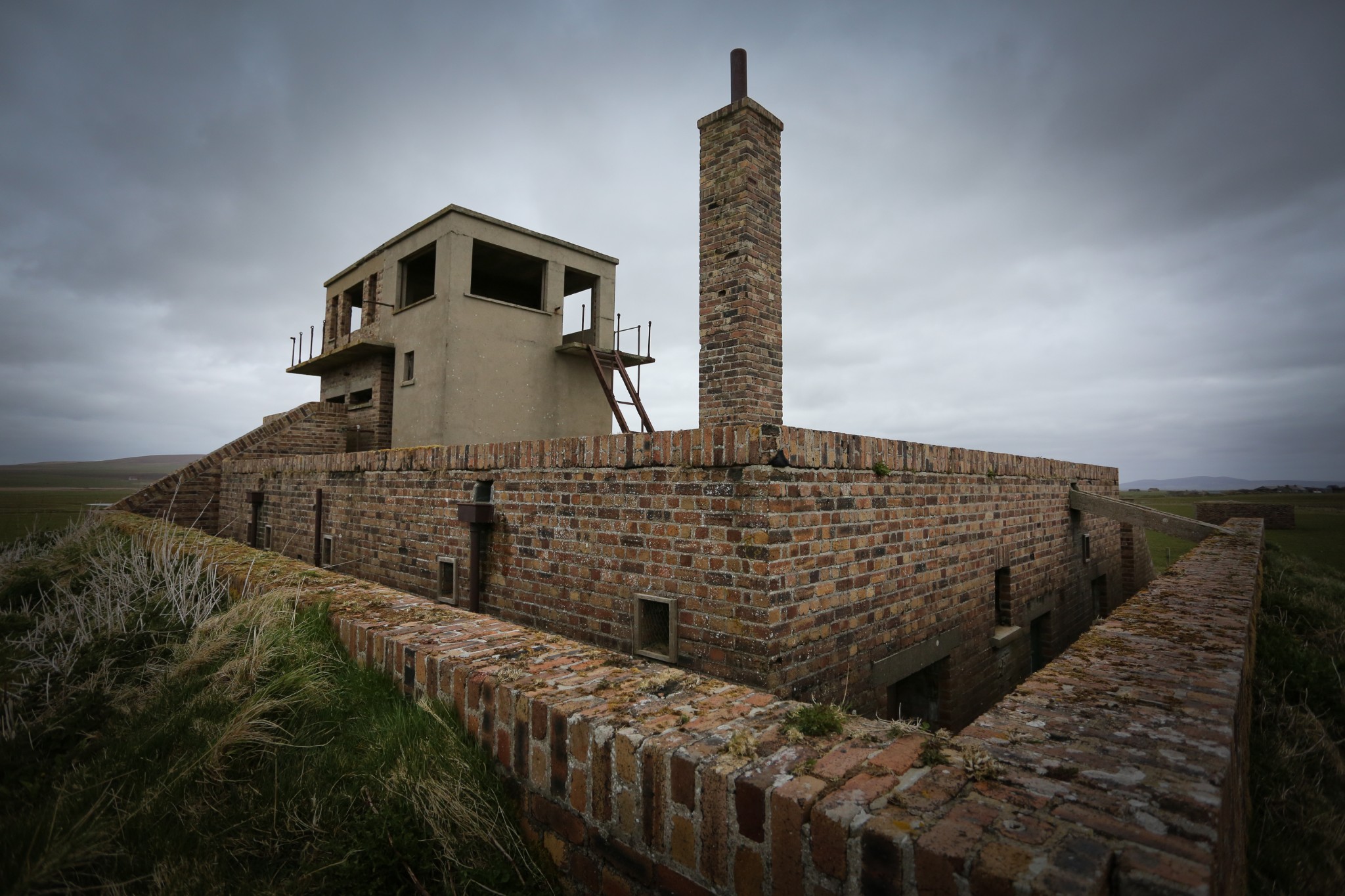
We know, we know, we said there were ten historical sites to visit this spring, but there's an eleventh location that is very special too!
The airfield at HMS Tern was part of the Royal Navy's presence in Orkney during World War Two. Some of the buildings, such as the former cinema and the airfield Control Tower, are still standing, and you can clearly see the remains of the runways too. Thanks to the hard work of the Birsay Heritage Trust and the Aviation Reseach Group Orkney & Shetland (ARGOS), the site has been cleaned up and some of the structures have been opened for official guided tours. The site is open from April to September on Wednesdays, Fridays, and Sundays between 11am and 4pm, with volunteers available to chat to visitors. Guided tours are available at 2pm. Plan your visit via the official HMS Tern website.
Find out more about Orkney's historical sites and attractions.