An Orkney-based piper has been developing a new system which radically extends the scale of the Scottish smallpipes. For centuries, pipers have been constrained by the limitations of a nine-note scale. But the Lindsay System is opening up the instrument to new repertoire and techniques, and is proving popular around the world.
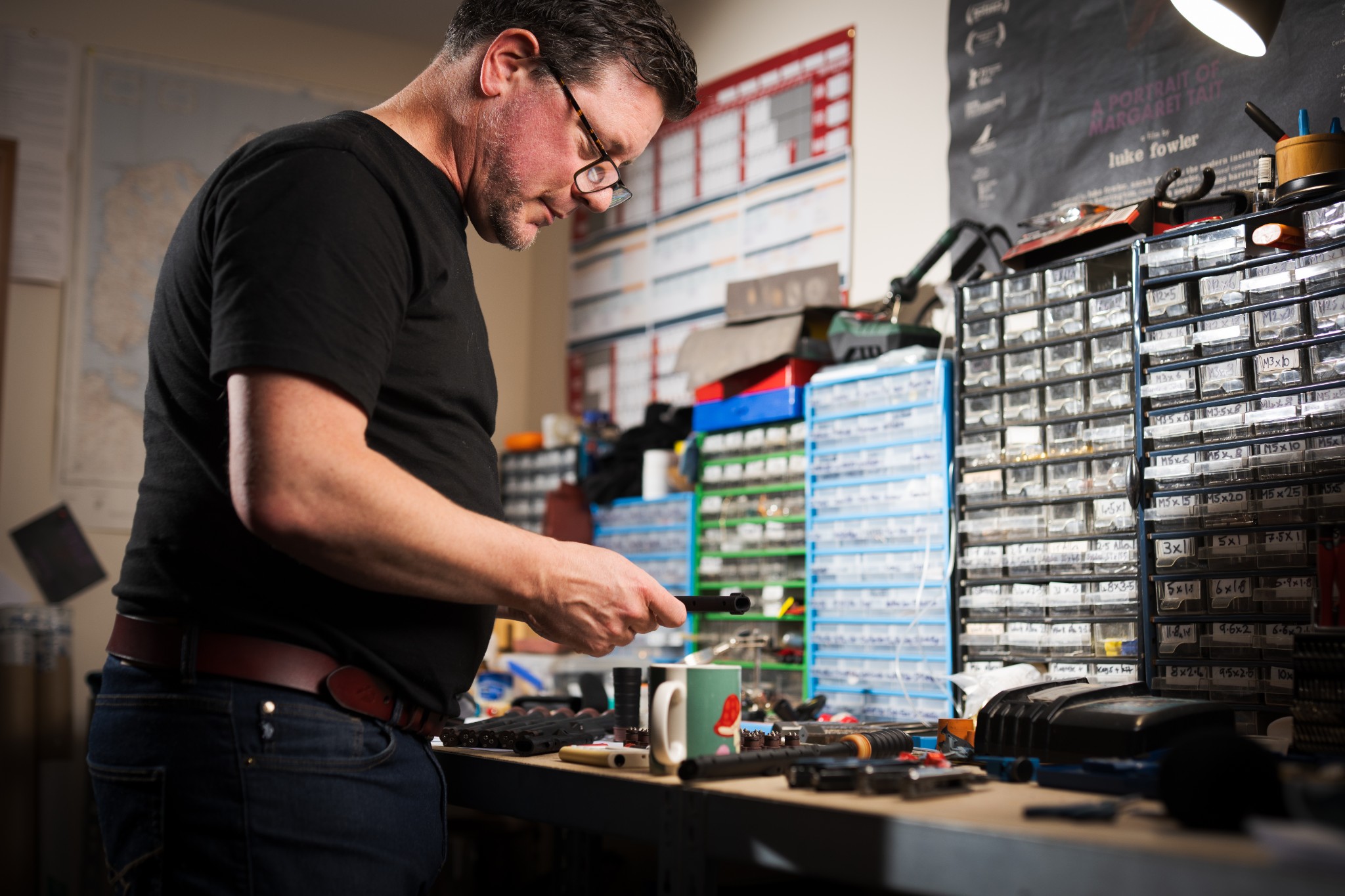
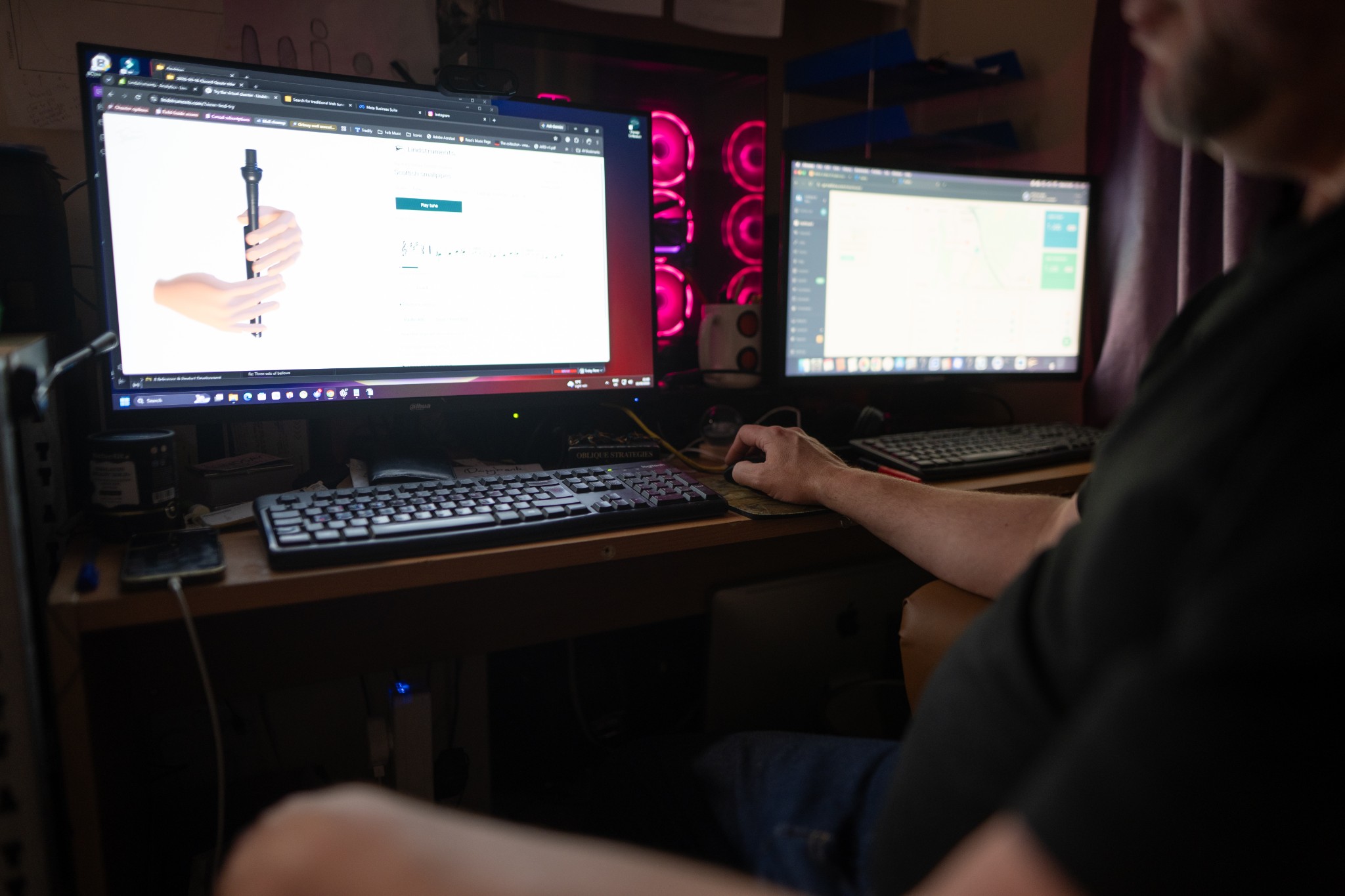
For an instrument as immersed in tradition as the Scottish smallpipes, Donald Lindsay’s Lindstruments workshop feels anything but traditional. In the corner, a powerful computer with dual screens drives the 3D modelling critical to the development of his innovative new system.
“It’s about more than just the instrument,” explains Donald. “It’s a whole system for extending the musical possibilities of Scottish smallpipes, so that’s an original instrument design, the playing technique that makes use of it, and the teaching method I’m developing around both.”
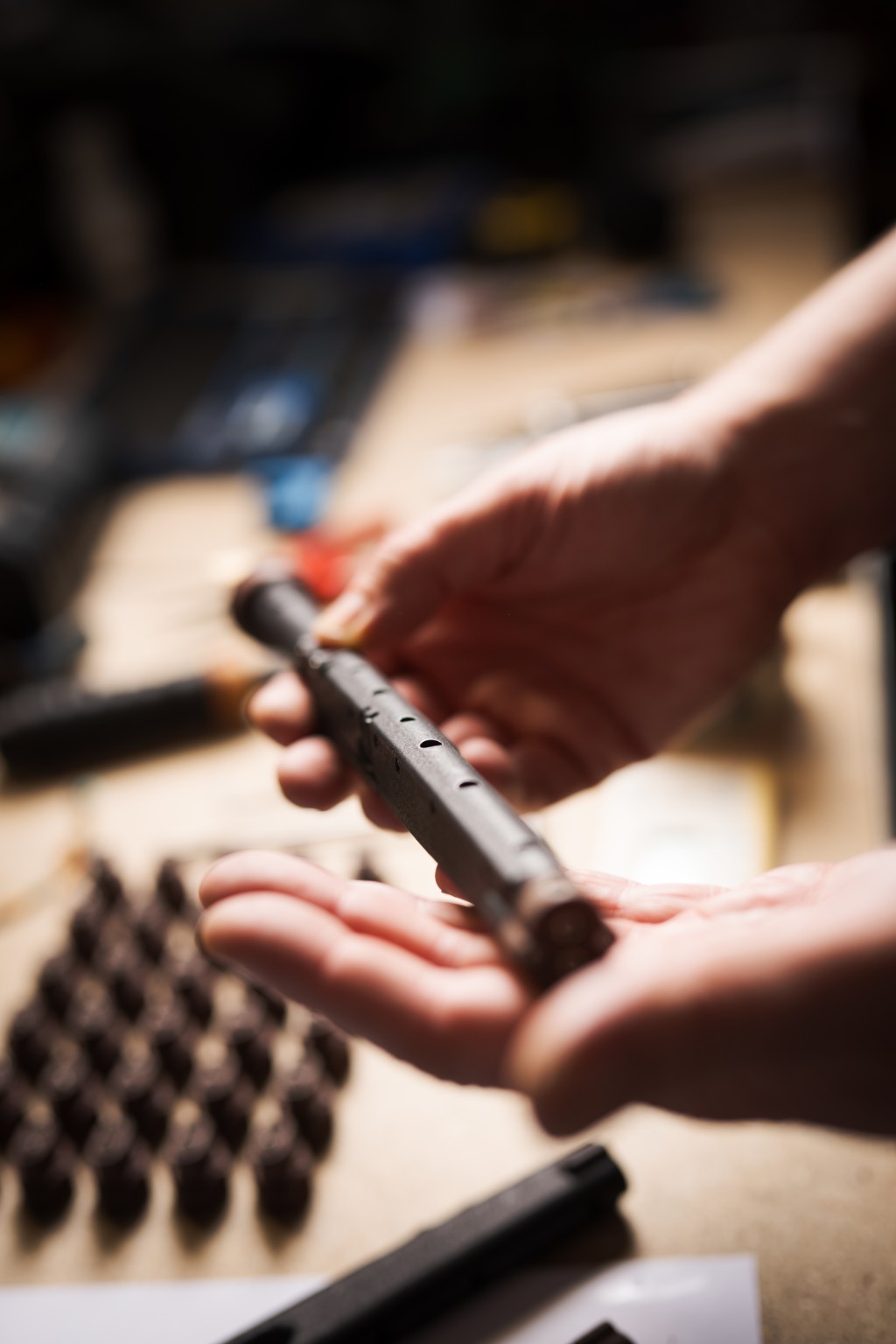
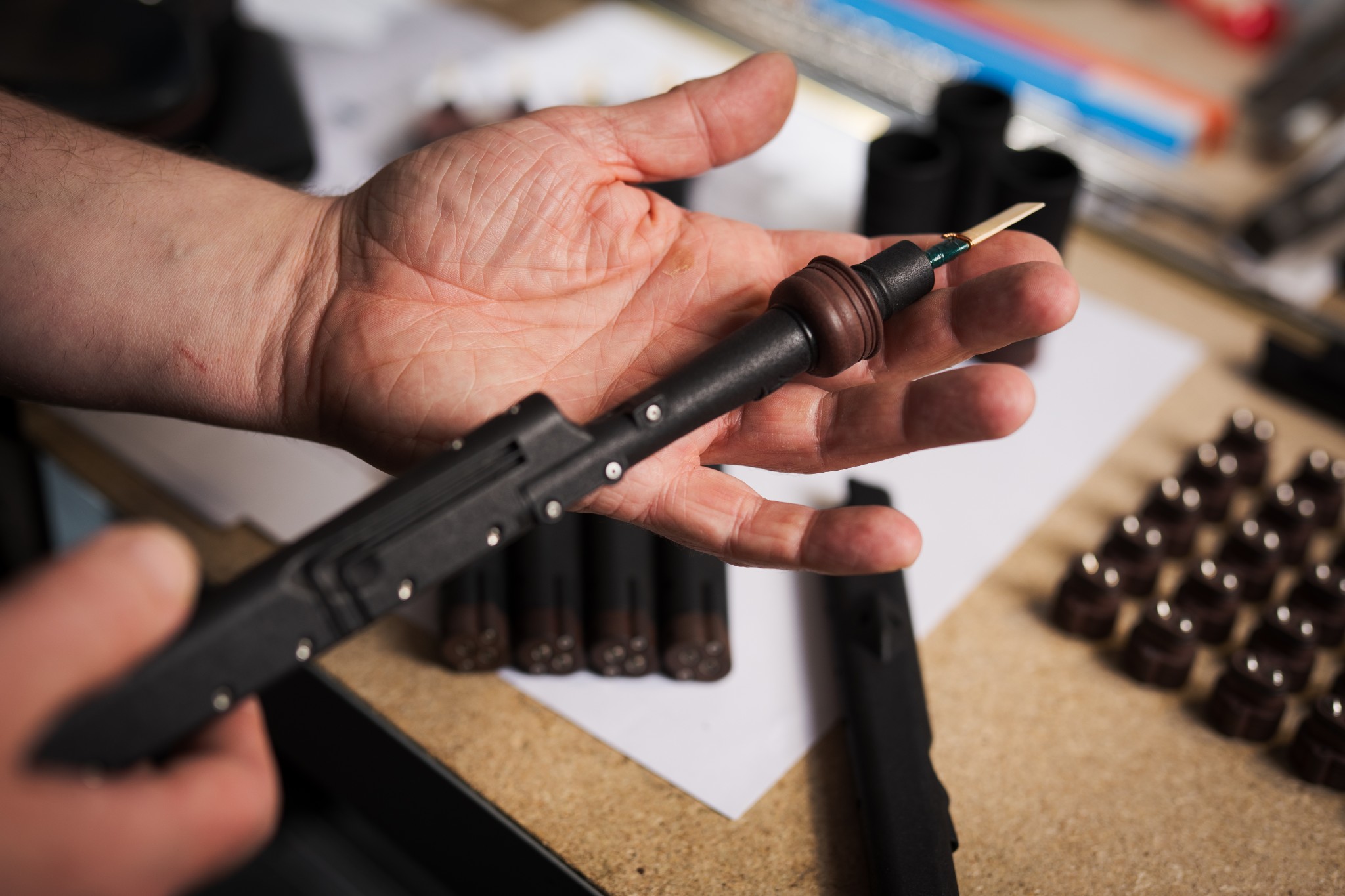
Its most visible part is the chanter - the melody pipe - which retains the familiar Scottish nine-note scale and fingering. “At the same time, we’re extending the range considerably above and below it, and adding semitones, without keys,” says Donald.
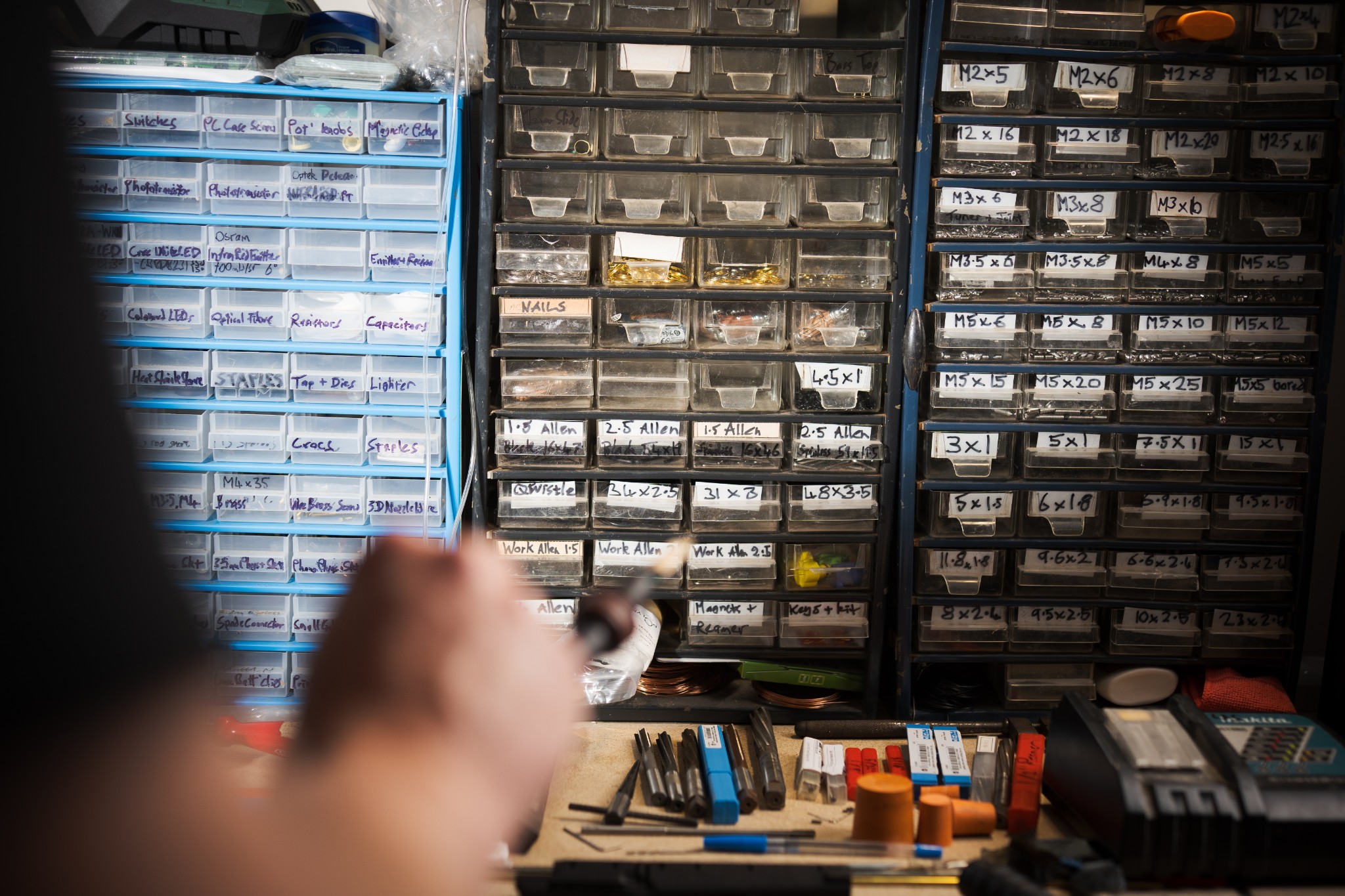
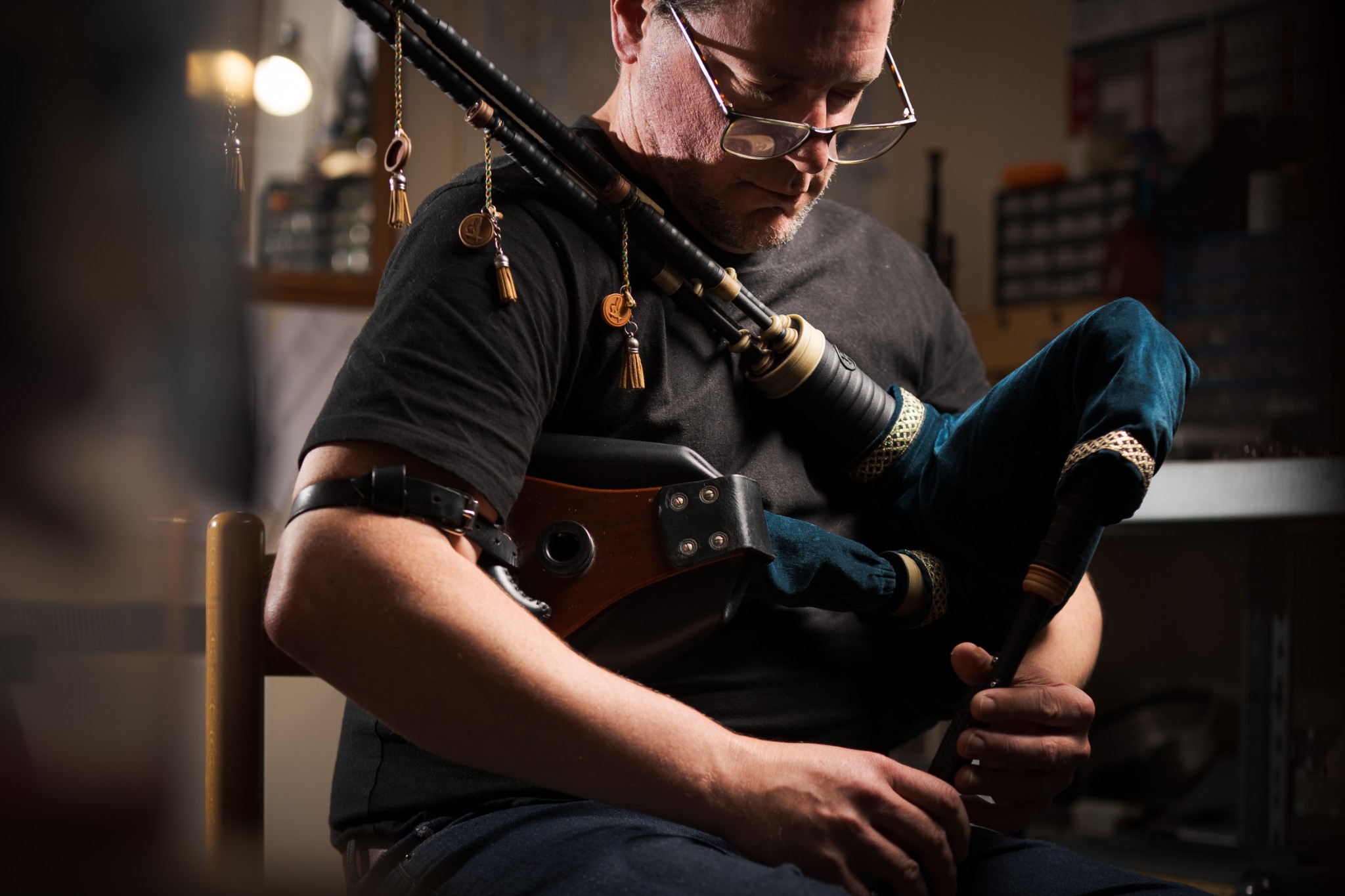
Donald is busy reaming the inside of one of his 3D-printed chanters – the smoothness of the bore greatly affecting the resulting tone of the instrument itself. From the front it looks very much like any other smallpipe chanter, but from the side you can see the deeper shape which allows for a return bore, the central principal within the design.
Quietly spoken and modest by nature, it’s only as Donald explains about the history of his system that you begin to appreciate the extraordinary amount of theory, and good old trial-and-error, that’s gone into its development.
“2026 marks twenty years since I first began experimenting with the design,” he says. “An early step came in 2006, when the great pipe maker Nigel Richard built a chanter around my proposal to borrow the ‘flea hole’ from the Hungarian bagpipe, allowing additional semitones on Scottish smallpipes without keys.
“I played that instrument for about six years while developing the ideas that led to the Lindsay System. The central innovation of the subsequent design was my use of a return bore to extend and connect the instrument’s registers, while bringing the additional notes within reach of the hands.”
For us non-pipers, much of the theory is a little hard to grapple with. But part of its great beauty is that any competent player of a traditional chanter will quickly be able to master the fingering for the standard nine notes before going on to explore the extended scale – and the notes between – that Donald has unleashed.
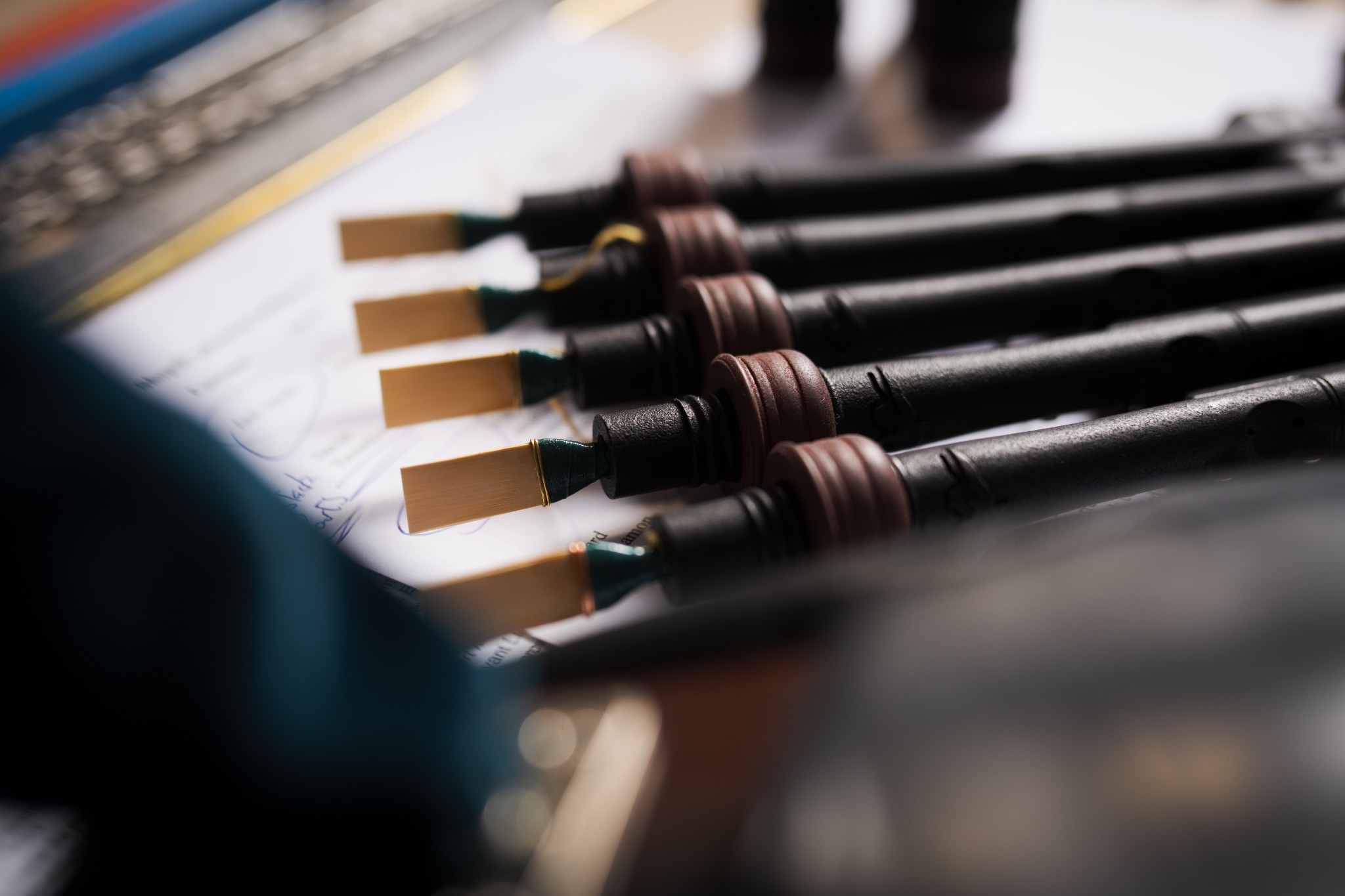
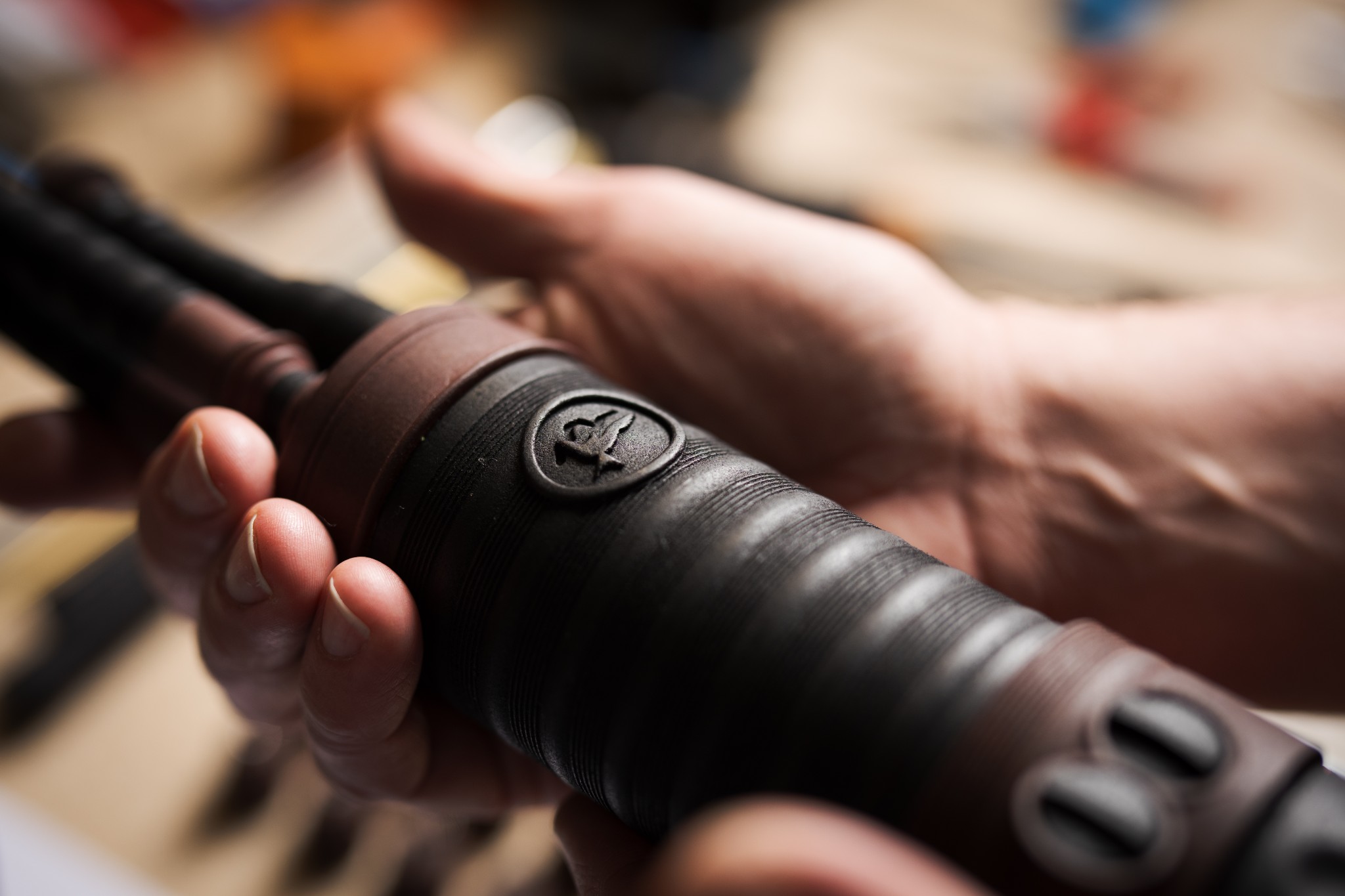
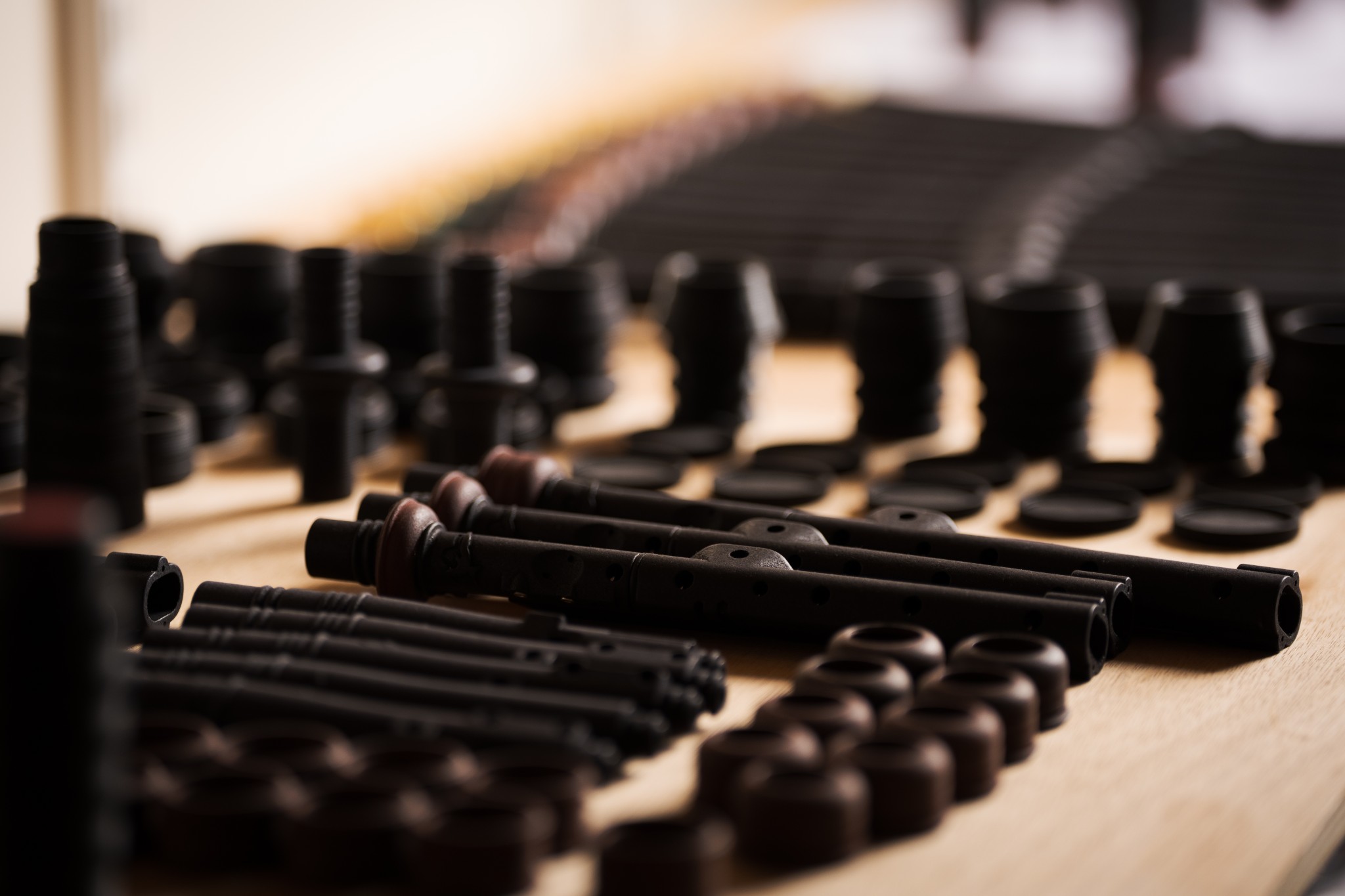
From his small workshop in South Ronaldsay, he’s been sending orders for his smallpipe sets around the world. A major part of the project is the development of online teaching resources, allowing that global community of pipers to learn the techniques – and mindset – required to make the most of the system.
“The free Virtual Chanter is already online,” Donald says, as he brings up the screen on the computer. “You can hear the instrument, follow the music, and watch the finger movements on a three-dimensional model, turning it to see what the hands are doing.”
It’s extraordinary, seeing the ghostly fingers playing the virtual chanter on the screen. It’s clear what a brilliant resource this would be for any learner or existing piper looking to convert to the system.
“Alongside that, I’m developing a tutor, course, and learning app. It’s a part of the process that I’ve really enjoyed working on,” he says.
Piping is a discipline which often tends to become all-consuming for its practitioners. But even by those standards, Donald’s complete immersion and dedication to the art is impressive.
The fact that his own personal learning curve has happened to be mirrored by developments in computer modelling and 3D printing is a large part of what’s allowed the system to really reach its potential. But while the complexity of the system is difficult to replicate in wood, Donald was determined that it would remain possible, using traditional methods. Skye-based piper, Malin Lewis, has made slightly modified versions of the Lindsay System chanter in both laburnum and other hardwoods such as ebony.
And it’s perhaps telling that instead of taking steps to protect for himself what is clearly an extremely copyrightable design, Donald has instead chosen to make that very design freely available for anyone to download. He’s also collaborated with various pipe makers and 3D print designers – including on a design made from recycled marine plastic collected from Orkney beaches.
“I chose to publish designs openly because of what I’ve witnessed through my long involvement with the Lowland & Border Pipers Society and the Scottish bellows pipes revival,” explains Donald. “It’s this whole mutually-supportive community of players, instrument makers, reed makers, and others that have been essential to reviving, redeveloping, and sharing the formerly dormant forms of Scottish smallpipes and their larger, louder sibling, the Scottish Lowland or Border pipes.
“My conscious intention in opening the design was to give this new branch of the tradition the same opportunities, and actively encourage the kinds of community networks that have sustained that revival.”
The world of piping is often portrayed as being rather conservative, a little suspicious of change. How, we wonder, has the system been received?
“Remarkably warmly!” laughs Donald. “The interest, encouragement, and sometimes sheer amazement have been a considerable part of the pleasure of developing it.”
The sets of pipes Donald is currently assembling ready for dispatch would tend to strongly support this.
As I finish my cup of tea, Donald treats me to a short recital on the pipes. Up and down the extended scale he goes before launching into a perfectly-paced 6/8 march. It’s a soft, mellow sound, and all the physics and the theory which had threatened to overwhelm my brain suddenly dissipates with it, to reverberate around the walls of this remarkable little workshop.
Find out more about Lindstruments from the official website.