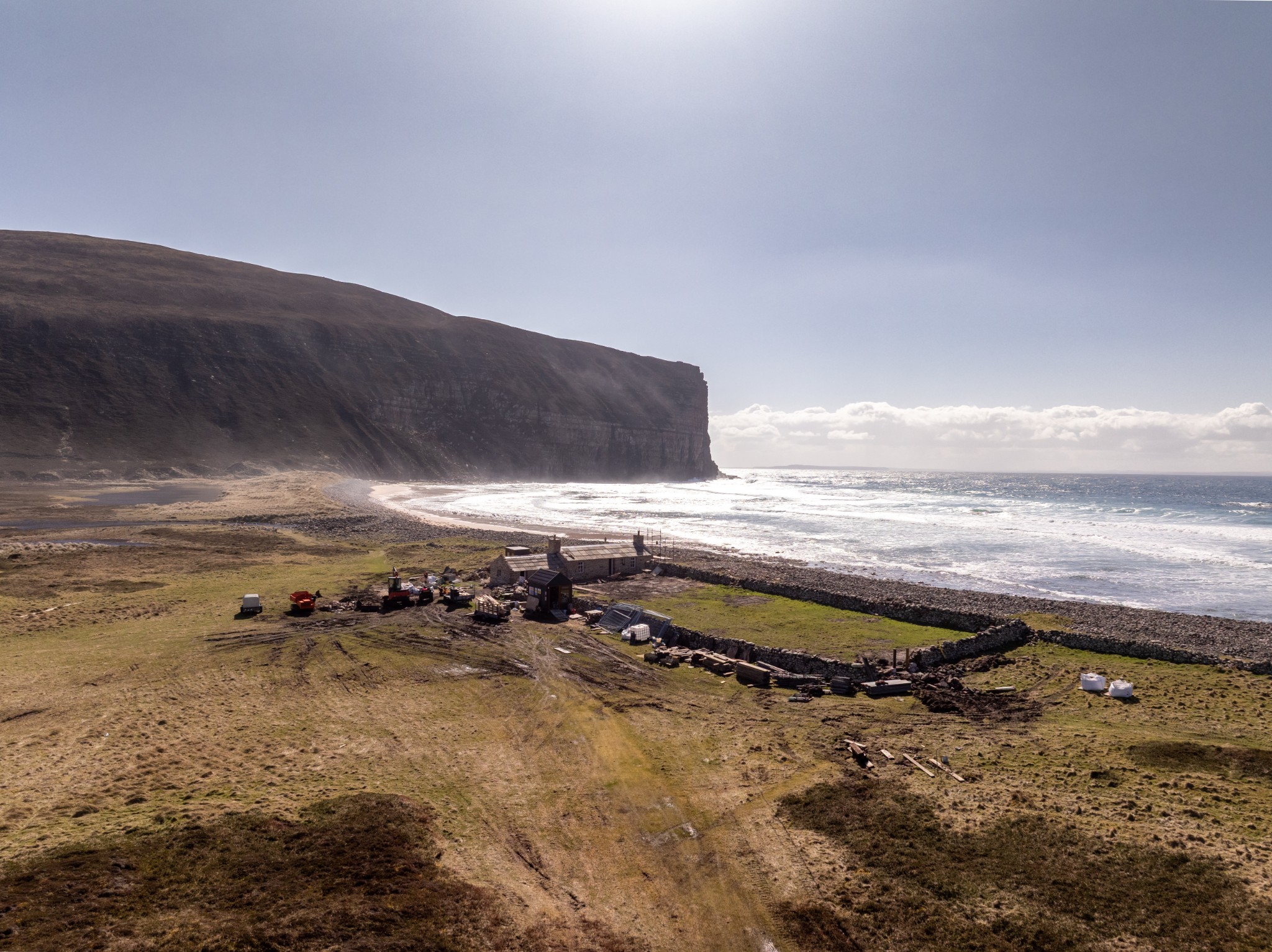
There can be little argument with the assertion that the tiny cottage of Burnmouth, at Rackwick in Hoy, enjoys the most stunning location of any building in Orkney.
The low-lying stone croft house is backed by towering sea cliffs of red sandstone and a beach of boulders and sand, open to the Atlantic. The modest building is maintained by the Hoy Trust as a bothy, open to all and free to use (though a small donation is strongly encouraged.)
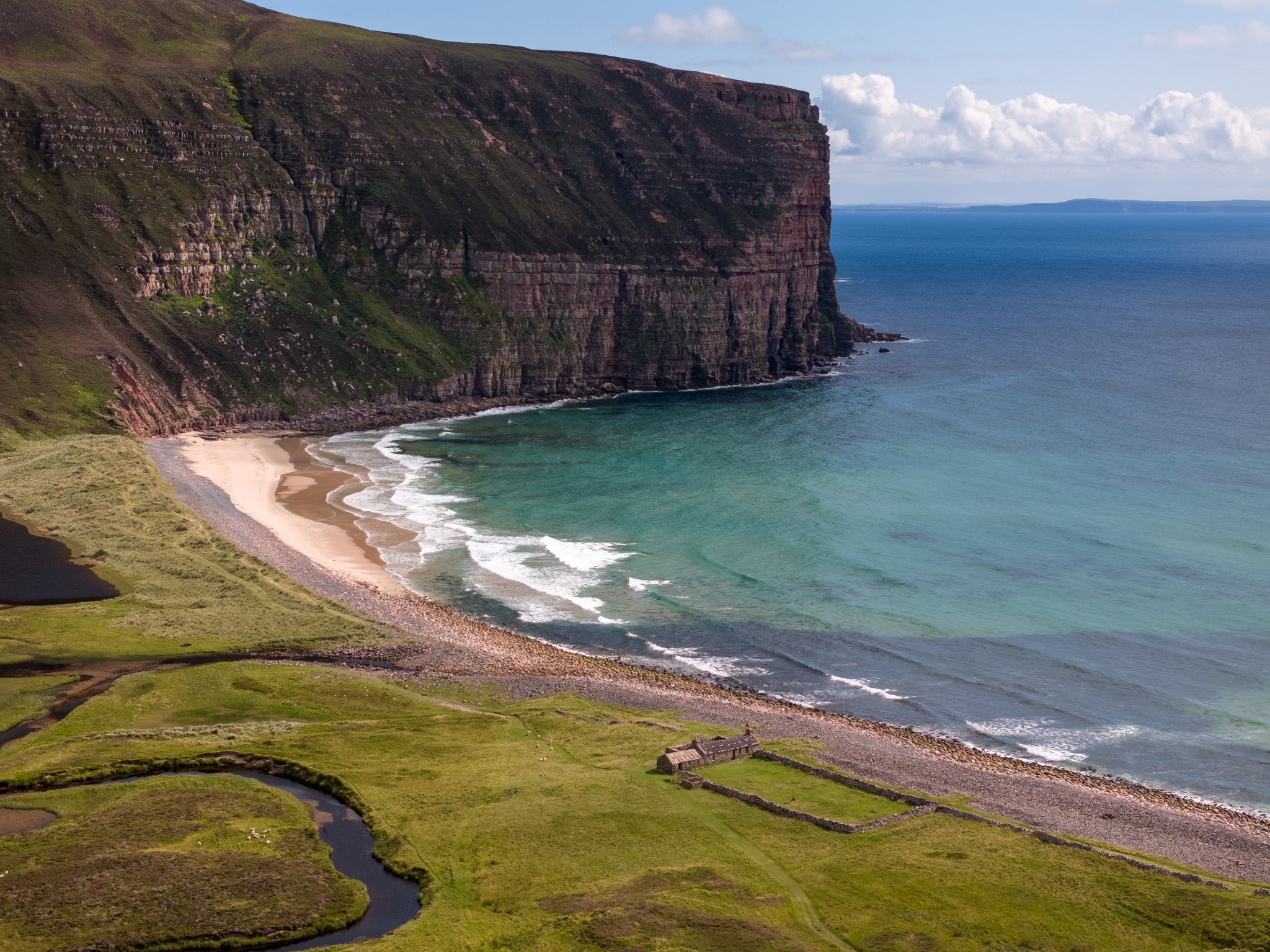
Having lain derelict for a number of years, it was renovated in the 1970s for the filming of George Mackay Brown's A Time to Keep. The Orcadian poet spent much of his time here in Rackwick. Following production of the film, the Hoy Trust took custodianship of the building and has cared for it since.
Its proximity to the famous Old Man of Hoy has also secured Burnmouth a special place in the history of British climbing. Many of the great climbers of the past half century have stayed overnight, enjoying its basic comforts, before tackling the iconic sea stack.
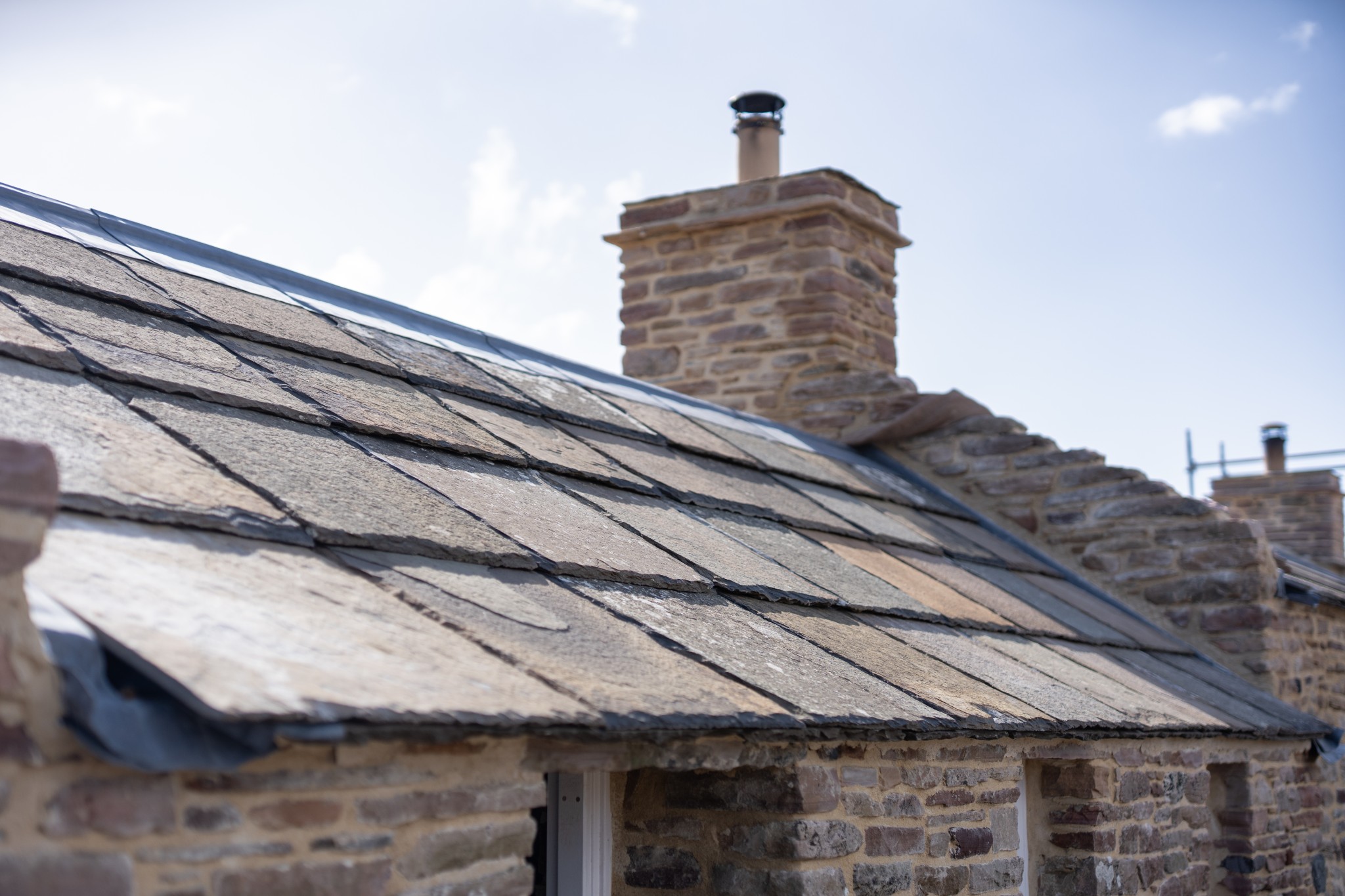
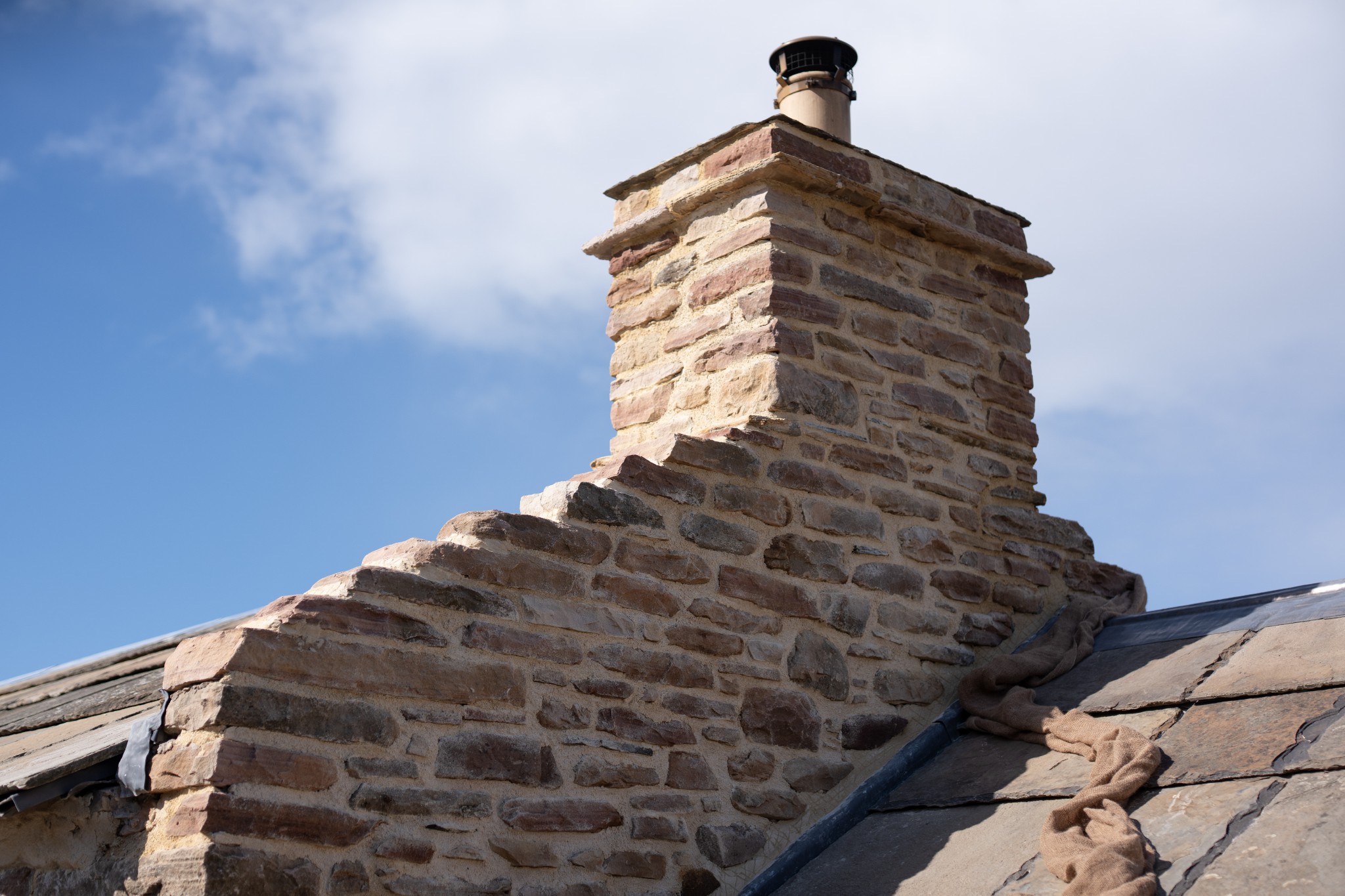
But the very elements that make the building’s location so special were threatening to destroy it. Salt-laden gales had removed much of the mortar between the stonework, causing walls and chimneys to sag and crack, while the huge flagstones were gradually sliding from the roof, with daylight clearly visible from below. Photographers may have found inspiration in the romantic air of decay, but the building was on the verge of collapse.
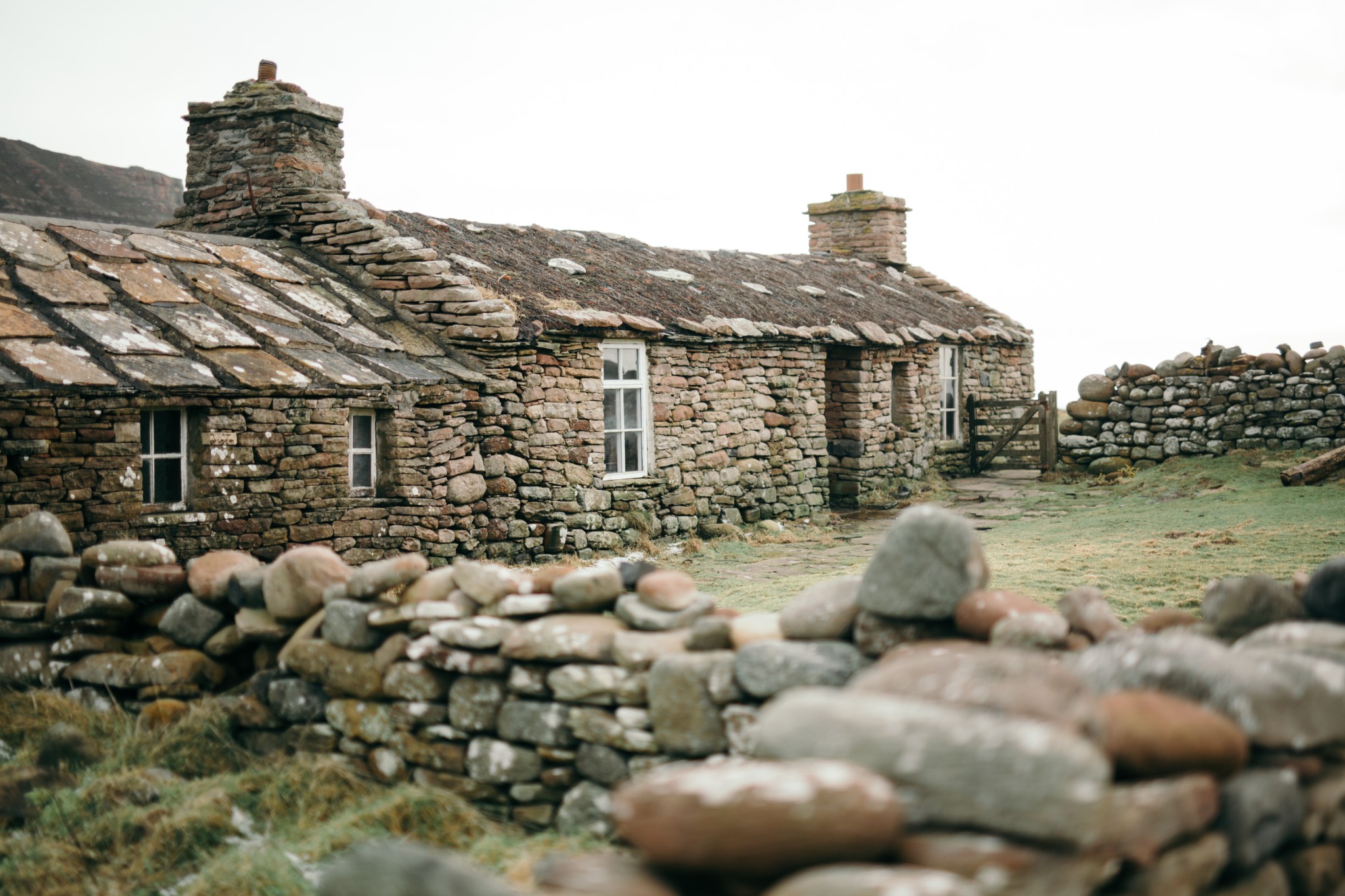
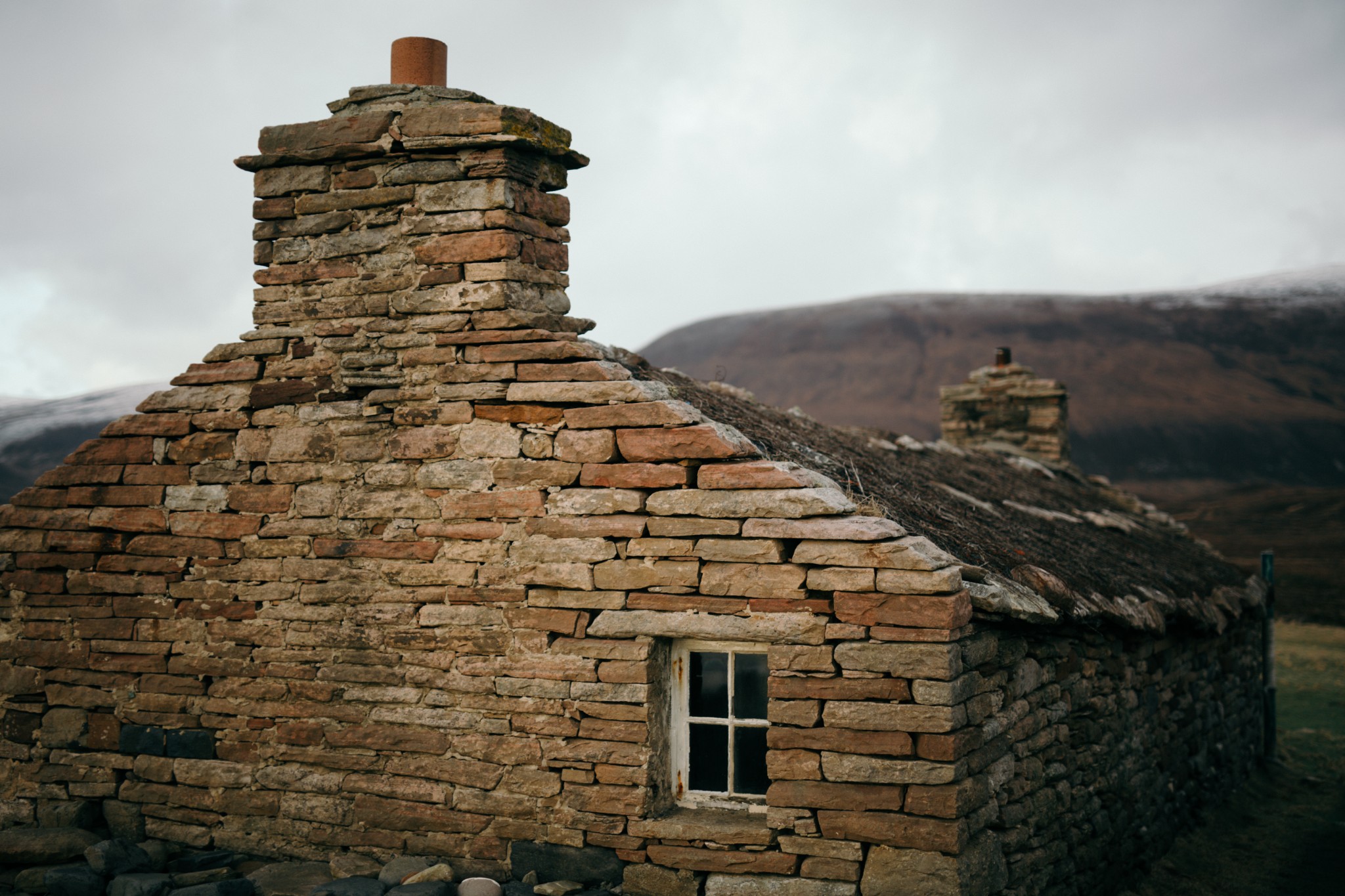
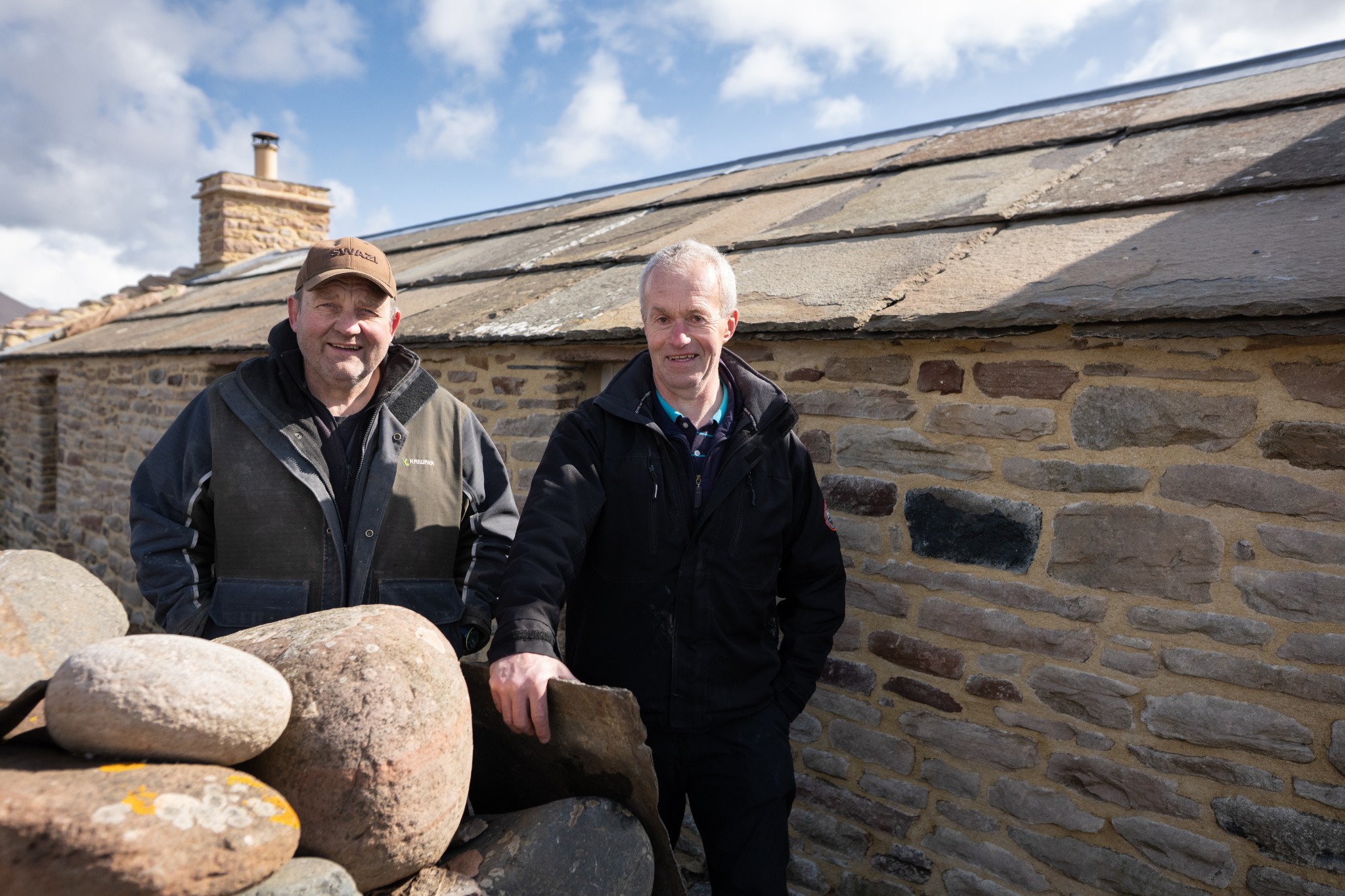
“It really was in a desperate condition,” explains Vice-Chair of The Hoy Trust, Marty Flett, on a bright spring day as he shows us around a building which has been brought back from the brink. “We were at the point of having to close it on safety grounds. There was no guaranteeing that the next big westerly gale wasn’t going to bring down the roof or a gable, or both. There were many tons of stone there, just waiting to come down.”
The impetus for a full restoration came with a donation from SSEN, gifted following major work on bringing Orkney’s new electricity cable ashore nearby. The Trust was then successful in securing support from the Architectural Heritage Fund, the Crown Estate, and Orkney Islands Council, as well as making a significant contribution from its own funds.
“Just look at it now,” says Marty. “Graham and the lads have done some job!”
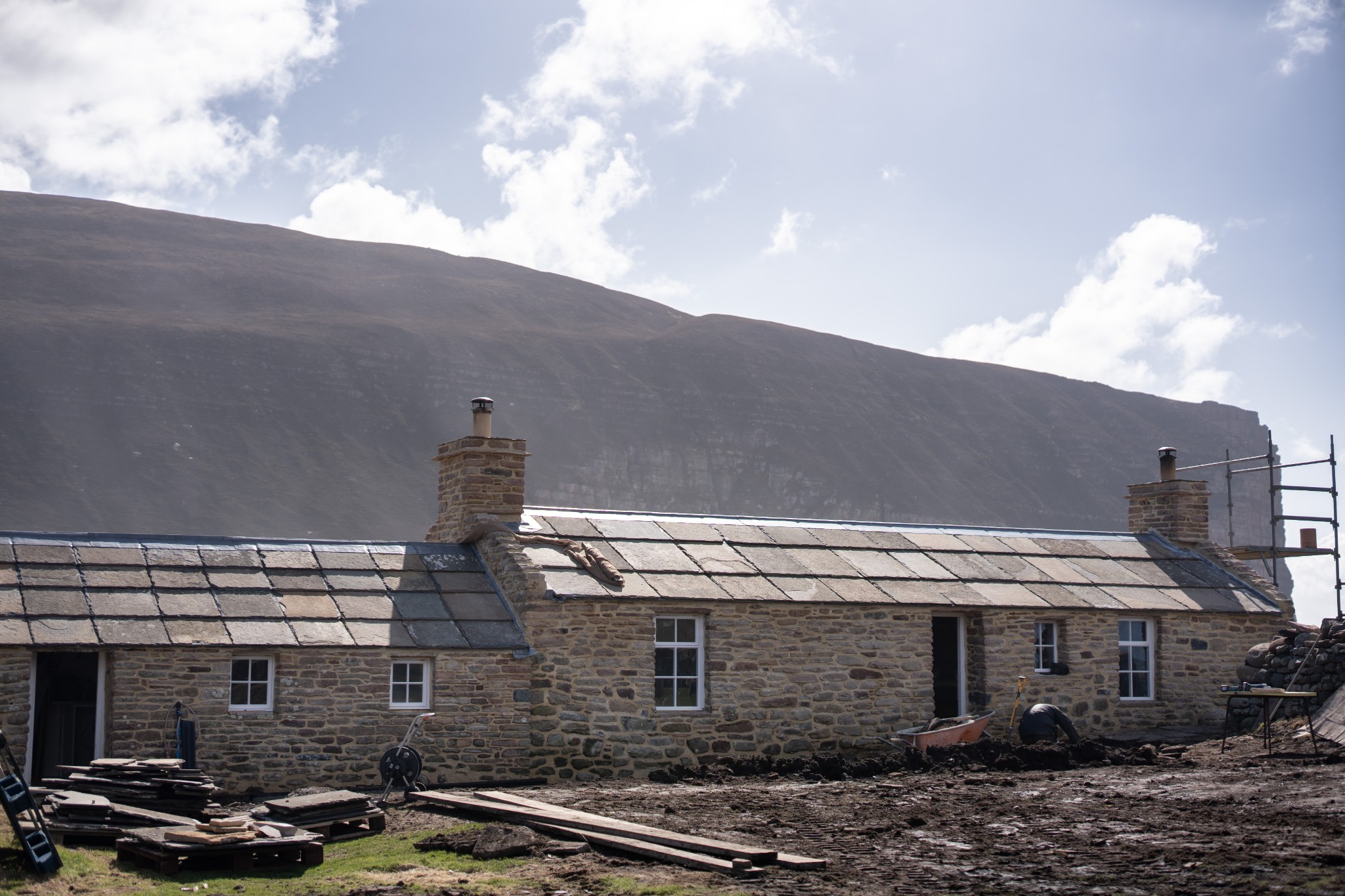
The ‘Graham’ he’s referring to is Graham Brough of Brough Brothers, the contractors who’ve been carrying out the work on Burnmouth. For him, this has obviously been a labour of love. “I have a place out in Rackwick, I spend a lot of my time here,” he says. “There’s nowhere else quite like it. I mean, just listen to that sound.”
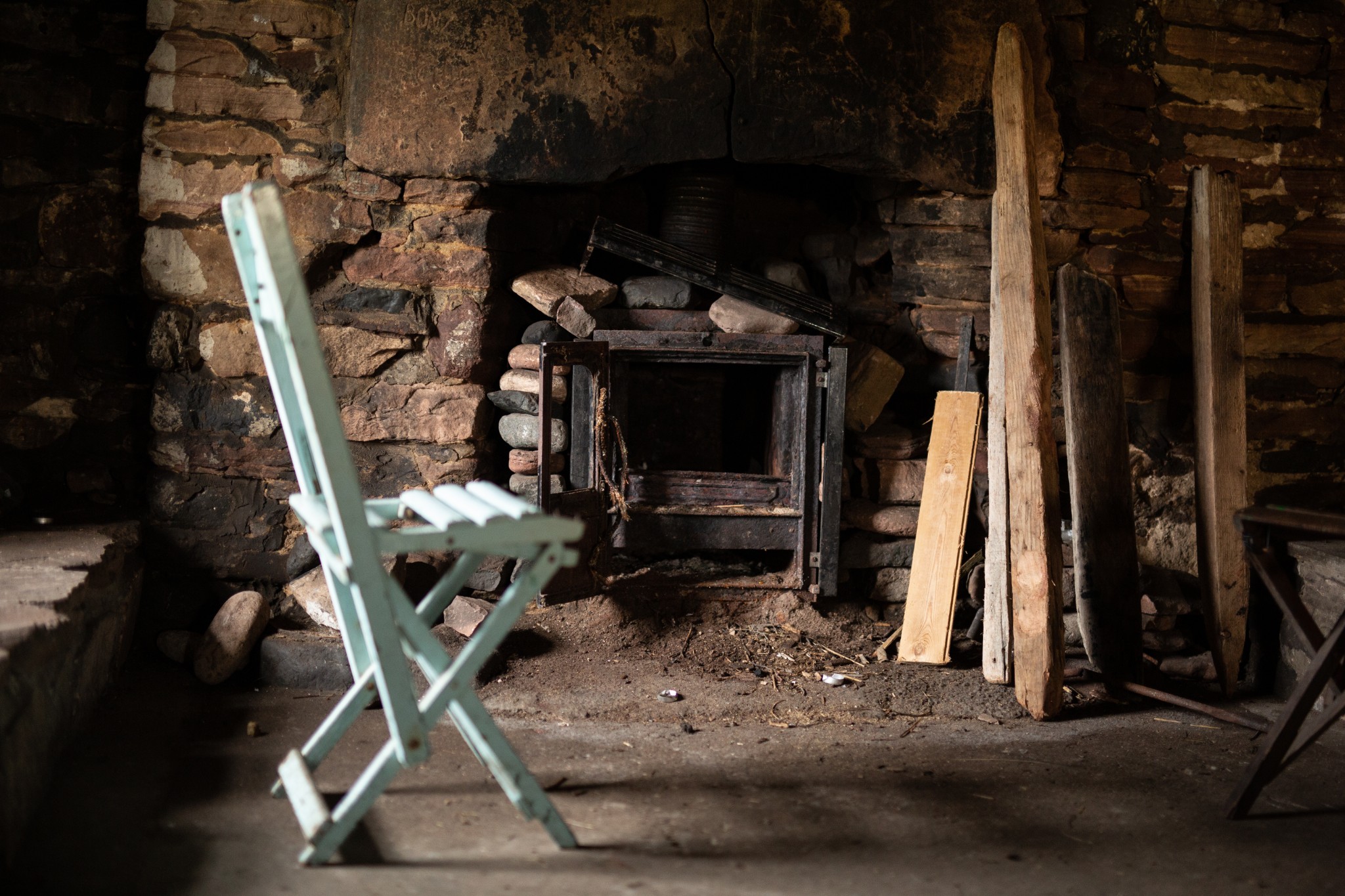
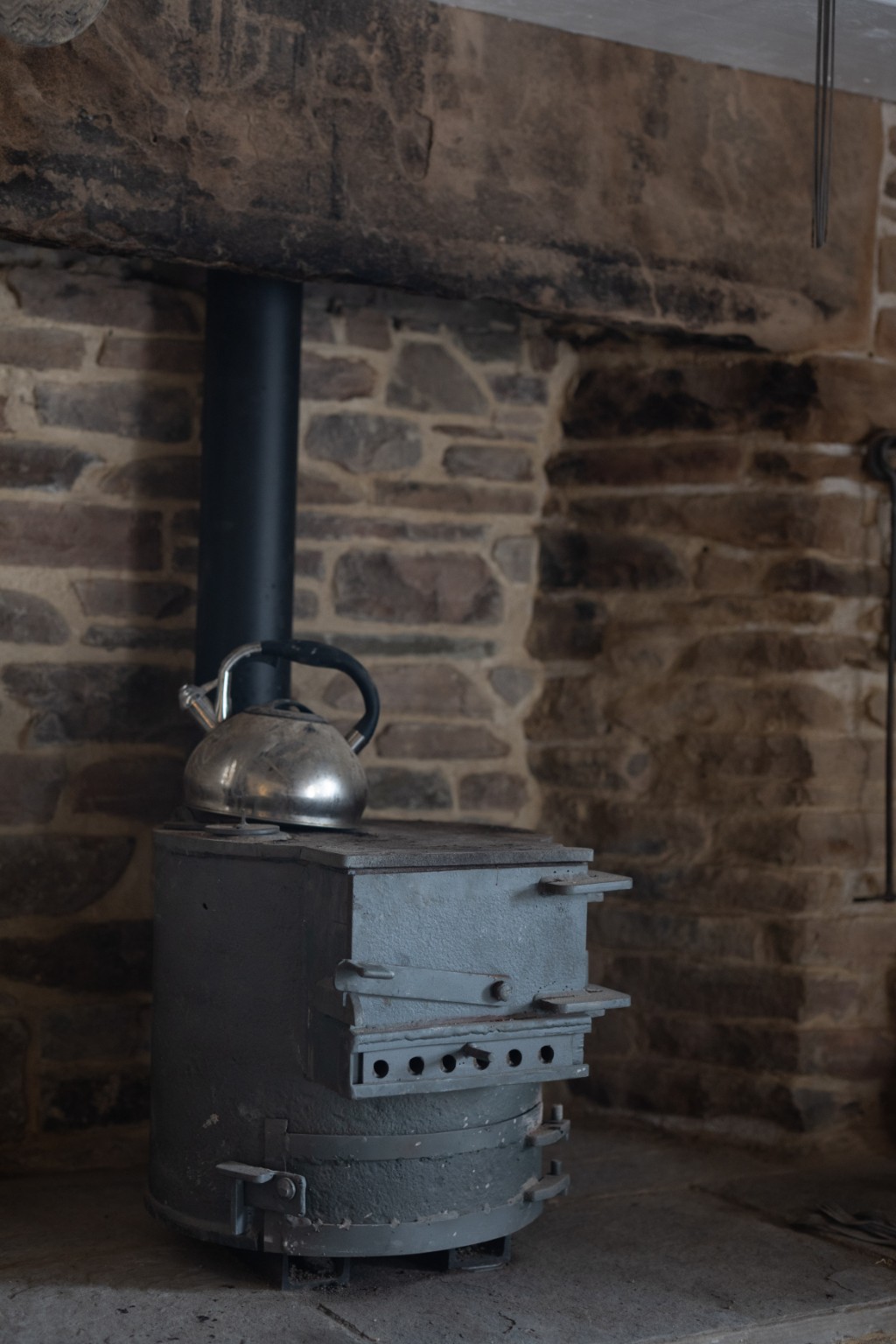
Despite the sunshine, there’s a cool northwest wind and a big Atlantic swell is rolling into the bay, rumbling over boulders and sand. Inside, Graham is feeding scrap wood into one of two new stoves that have been installed, taking the chill off the air.
“This stove was handmade by a local man down in the south of the island at Longhope. We also got flagstones for the roof of the bothy from an old building down that way as well, while we got building stone from right here in Rackwick to rebuild that gable, which was just in a complete state of collapse. I could rock the whole chimney stack back and forth with my hands,” says Graham.
“We’ve been keen to work in a way that’s as sympathetic to the style of the building as possible, while at the same time making sure it’s going to fit for future generations.”
Outside, Graham’s son Glen is laying a new flagstone path along the front of the building, while self-employed stonemason, Ben Glue, is carrying out the last of the pointing, using traditional lime mortar to seal the joints between the stones.
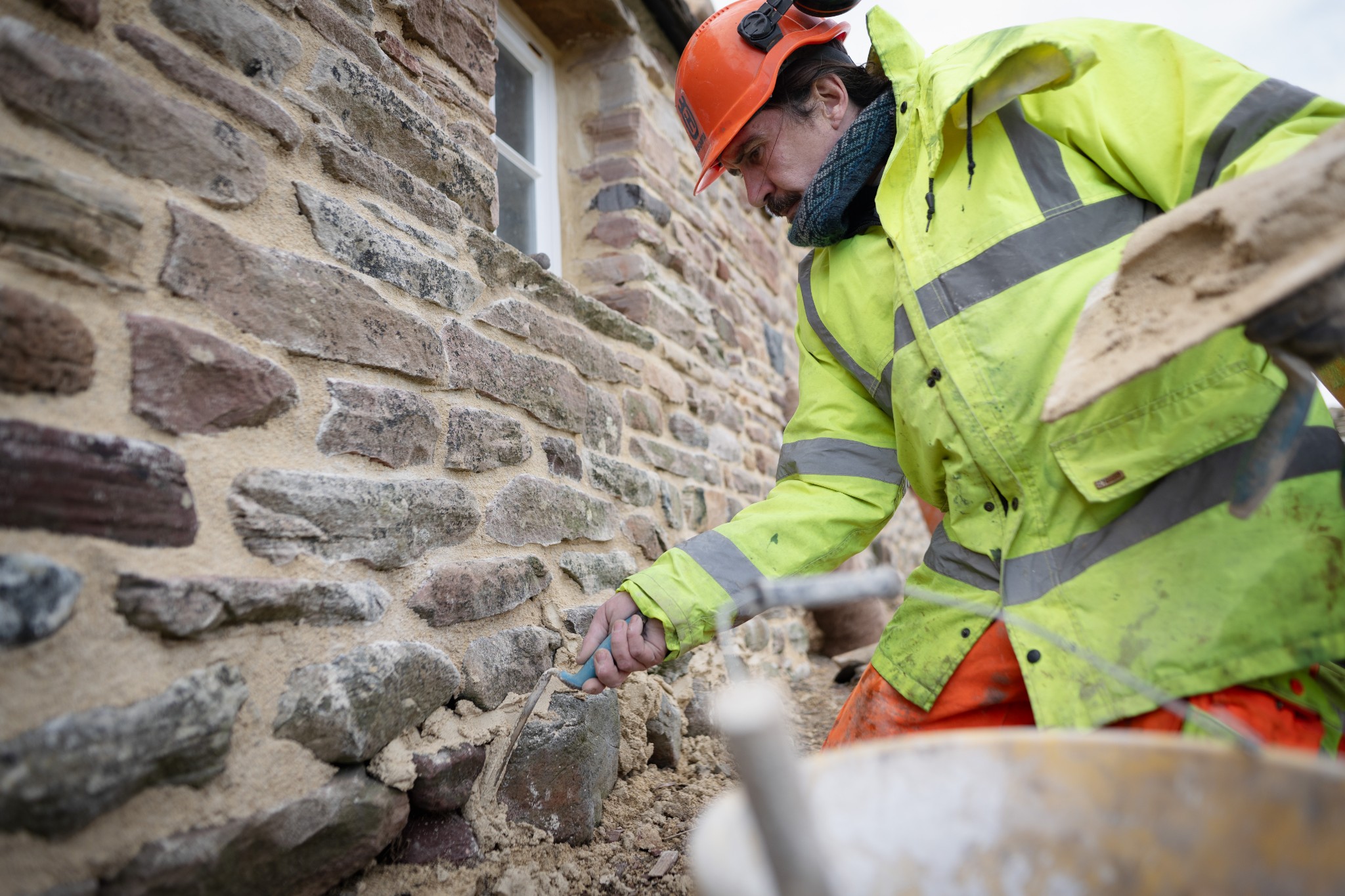
“We’re getting to the stage now where the work on Burnmouth itself is almost complete,” says Marty. “Inevitably, we’re now starting to think about the space around the building and what we might do to improve that, and we’re hoping the public could help contribute to this next phase of the project.”
The small field in front of the bothy is popular throughout the year as a campsite. It’s basic, but there is a toilet and running water available in the annexe adjoining the main building, while the view and soundscape are hard to match.
“The drystone dyke around the campsite has been breached in several places and there’s other points where it’s bulging and on the point of collapse,” explains Marty.
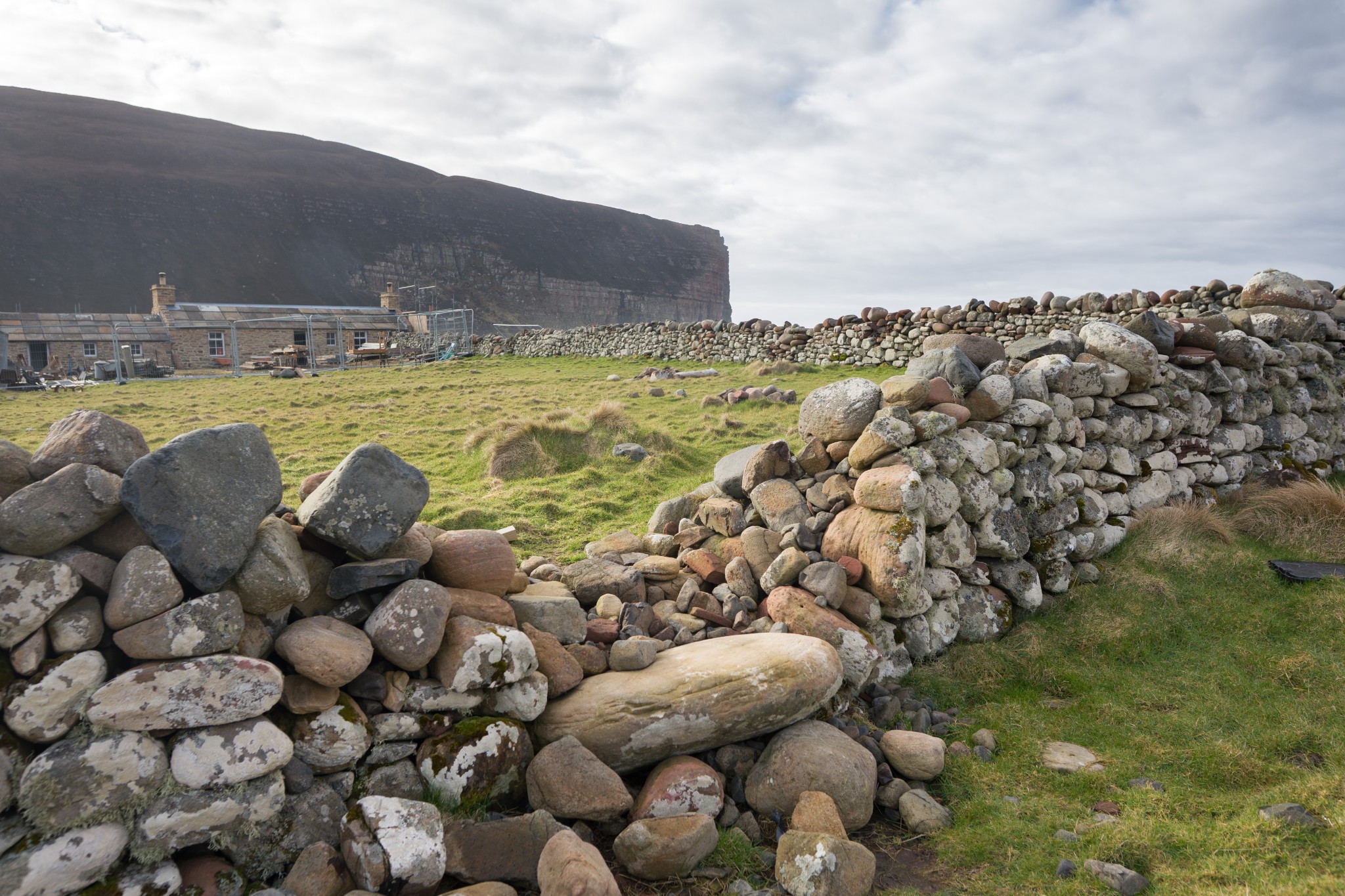
“We’ve done small bits of repairs over the years, but what we’re really keen to do is give it a more comprehensive fix, and also just carry out some small additional works around the bothy, installing new fire pits and things like that.
“We’ve launched a JustGiving page. Lots of folk have wonderful memories of being here – either camping, staying at the bothy or just nipping in for a bit of shelter on a wild day. Hopefully they’ll be inclined to give a wee bit back and help secure the future of this place which means so much to all of us.”
If you'd like to help support the ongoing restoration work at Burnmouth, visit the Hoy Trust's JustGiving page to find out more.
Funding support for the work has come through the Historic Environment Scotland-supported Architectural Heritage Fund, the Crown Estate’s Community Led Development Fund, and Orkney Islands Council’s Community Led Local Development Fund.